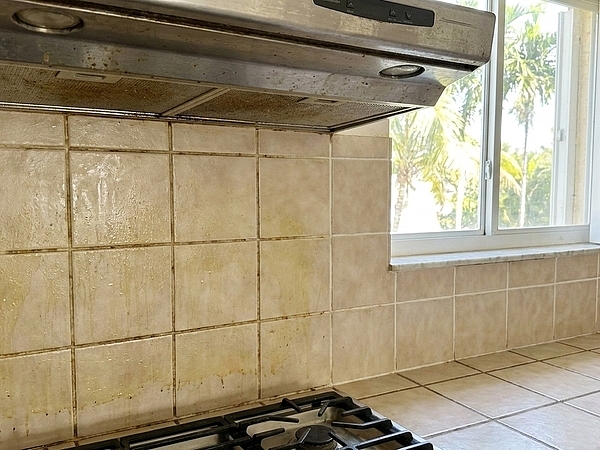
Do Commercial Floors in Broward County Need Routine Tile Cleaning?
Most property managers think tile maintenance is about aesthetics. Shiny floors, happy tenants. But the real cost shows up later — in grout that's gone black, in slip-and-fall claims, in surfaces that look worse every quarter no matter how much mopping happens. Broward County isn't like other markets. The humidity alone guarantees problems. Add in foot traffic, salt air, and the fact that most cleaning crews are skipping the hard stuff, and you've got floors that age faster than they should.
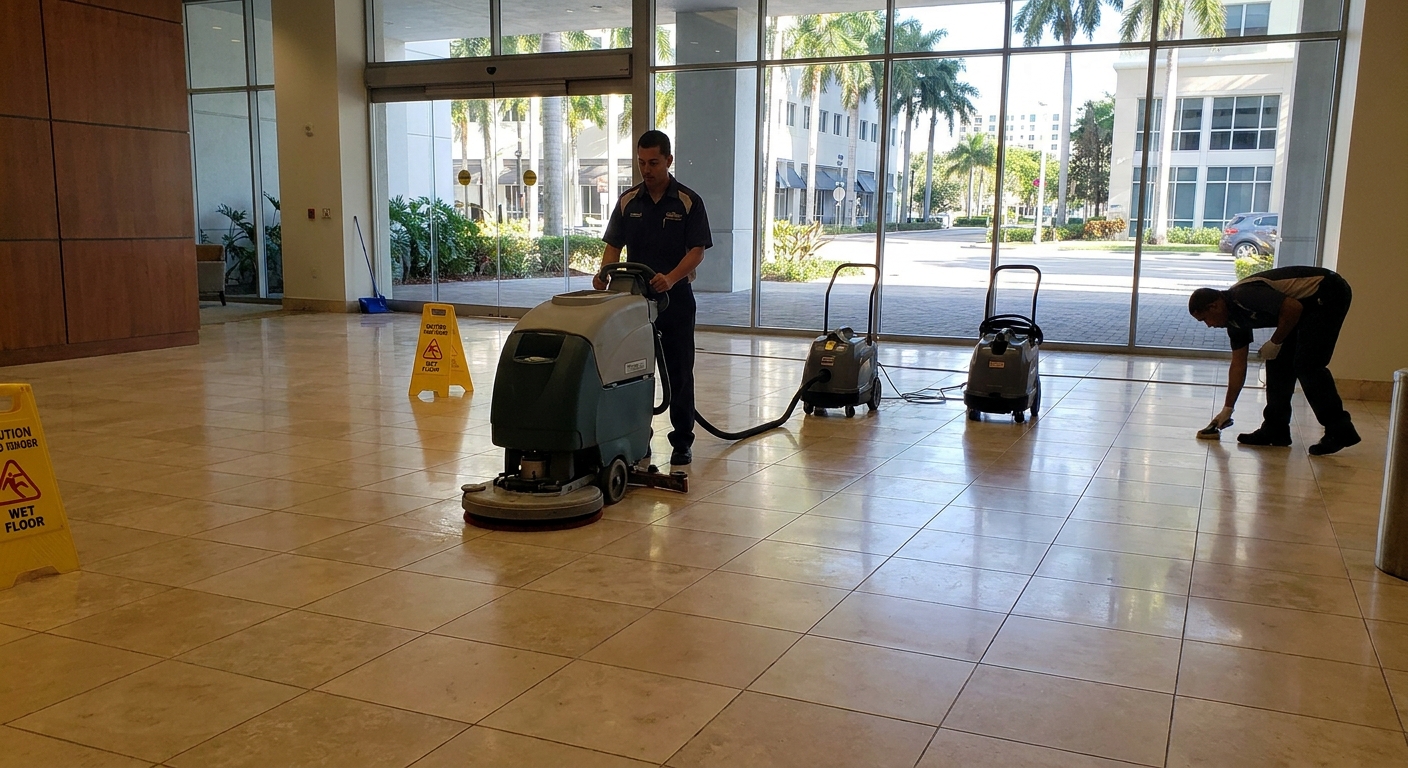
So here's what matters. If you're managing commercial space — retail, medical, hospitality, office — your tile isn't just getting dirty. It's breaking down. Grout absorbs moisture. Bacteria breeds in the pores. And every day without professional tile grout cleaning is another day closer to a full replacement that could've been avoided. Routine tile cleaning isn't optional. It's the difference between maintaining value and watching it erode in real time.
Humidity Makes Everything Worse
Broward County sits right on the edge of subtropical swamp conditions. We deal with moisture year-round, and that moisture doesn't just disappear when you close the doors at night. It settles into grout lines, seeps under poorly sealed edges, and creates the kind of environment where mold doesn't just grow — it thrives. Walk into most commercial bathrooms or break rooms and you'll see the proof: dark streaks, discoloration, that musty smell that no amount of air freshener can cover.
Routine cleaning pulls that moisture out before it does permanent damage. Professional tile services use extraction methods that go deeper than a mop ever will. They're not just wiping down surfaces. They're reversing the buildup that happens when water sits too long in porous material. Skip that step, and you're not just looking at stained grout — you're looking at structural issues down the line.
Foot Traffic Grinds Down More Than You Think
Every person who walks through your door is dragging in sand, dirt, oils, and debris. In Broward, that includes salt from the coast and grit from parking lots. All of it lands on your tile. All of it gets ground into the surface with every step. Over time, that abrasion dulls the finish, scratches the glaze, and embeds particles so deep that standard cleaning can't touch them.
We've seen tile floors in high-traffic lobbies go from polished to matte in under two years. Not because the tile was cheap, but because no one treated the floor like the wear surface it actually is. Routine deep cleaning removes those embedded particles before they have a chance to do real damage. It's not about making the floor look better for a day. It's about protecting the surface so it lasts another decade.
Grout Is the Weak Link
Tile might be tough, but grout is porous, soft, and vulnerable. It stains easily. It cracks under pressure. And once it starts breaking down, the tile around it follows. Most businesses don't think about grout until it's already failing — and by then, you're not cleaning anymore. You're repairing or replacing.
Routine cleaning keeps grout sealed and intact. It removes the acids, oils, and organic matter that degrade the binding agents. It also gives you early visibility into cracks or gaps before they turn into water damage or loose tiles. Grout maintenance isn't glamorous, but it's the single most cost-effective thing you can do to extend the life of a tile floor.
What Professional Cleaning Actually Includes
Not all tile cleaning is created equal. A guy with a mop bucket isn't doing what a certified restoration crew does. Real tile maintenance involves equipment, chemistry, and a process that's built around the specific materials in your space.
- High-pressure steam extraction that lifts embedded dirt without damaging tile or grout
- pH-balanced cleaners designed for commercial-grade surfaces, not household products
- Grout sealing that locks out moisture and prevents staining between cleanings
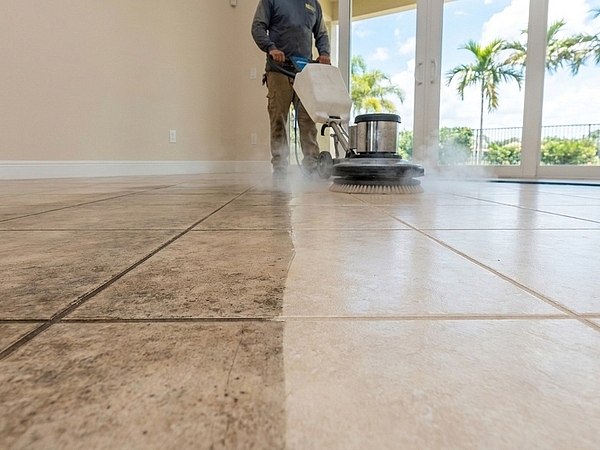
- Rotary scrubbing on textured or slip-resistant tiles where debris hides in the surface pattern
- Inspection for cracks, loose tiles, or compromised seals that need attention before they spread
Industries That Can't Afford to Skip This
Some businesses operate in environments where dirty floors aren't just ugly — they're liability. Restaurants deal with grease, spills, and health inspections. Medical facilities face infection control standards. Hotels and retail stores live and die by first impressions. In all of these cases, commercial tile cleaning isn't a nice-to-have. It's a requirement.
Broward County health codes don't mess around when it comes to sanitation. If your floors fail inspection, you're looking at fines, mandatory closures, or worse. And even if you're not in a regulated industry, one slip-and-fall lawsuit will cost more than a decade of professional cleaning. The math isn't complicated. Clean floors are cheaper than litigation.
When DIY Cleaning Falls Short
Most maintenance crews do their best. They mop nightly. They spot-clean spills. But they're not equipped to handle what builds up over months of use. Standard cleaning hits the surface. It doesn't address the layers of grime in grout joints, the bacteria growing under the glaze, or the discoloration that comes from repeated exposure to hard water and chemical residue.
- Mopping spreads dirty water into grout instead of removing it
- Store-bought cleaners often leave a film that attracts more dirt
- Scrubbing without proper tools can scratch tile or strip protective coatings
- No extraction means moisture stays trapped, feeding mold growth
- Inconsistent results because the crew doesn't have training or accountability
Frequency Depends on Your Space
How often you clean depends on traffic, industry, and condition. A medical office with moderate foot traffic might need quarterly deep cleans. A busy restaurant? Monthly, minimum. Retail spaces during high season might need it every few weeks just to keep up with the volume.
The key is not waiting until the floor looks bad. By the time discoloration is obvious, the damage is already done. We recommend setting a schedule based on usage patterns and sticking to it. Reactive cleaning costs more and delivers worse results than proactive maintenance. Always.
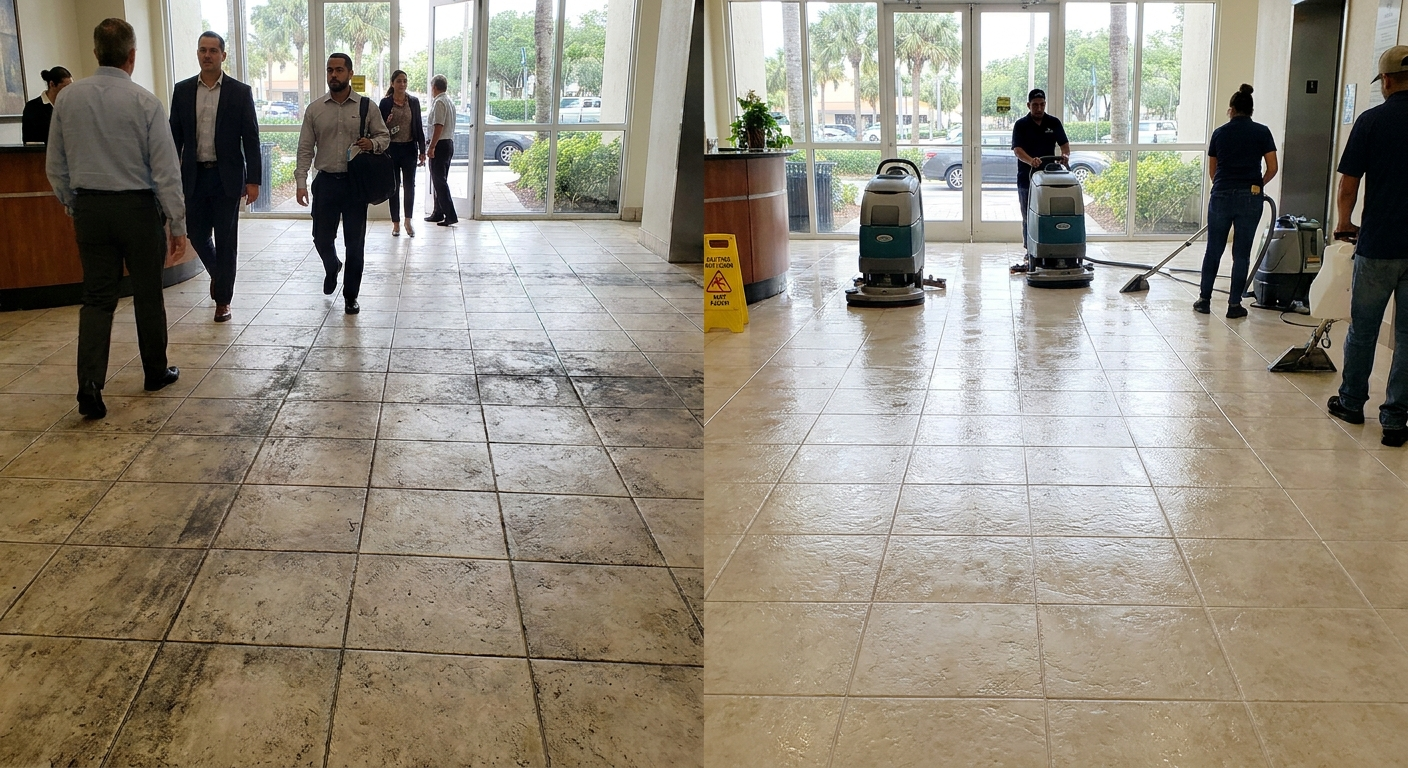
The Long-Term Cost of Skipping Maintenance
Tile replacement isn't cheap. Neither is the downtime that comes with tearing up a floor and installing a new one. Most businesses don't budget for it because they assume their floors will last forever. They won't. Not without care.
- Cracked or broken tiles spread to adjacent sections, multiplying the repair area
- Failed grout allows water to seep under the tile, damaging the substrate
- Stains become permanent when they're left untreated for too long
- Loss of slip resistance increases liability exposure and insurance premiums
- Reputation damage when clients or customers notice neglected conditions
What to Look for in a Tile Cleaning Service
Don't hire the first company that offers a low bid. You want a crew that knows commercial flooring, understands the materials you're working with, and has the equipment to do the job right. Ask about their process. Ask for references. And make sure they're insured.
- Certifications from recognized industry organizations like the IICRC
- Experience with your specific type of tile and grout
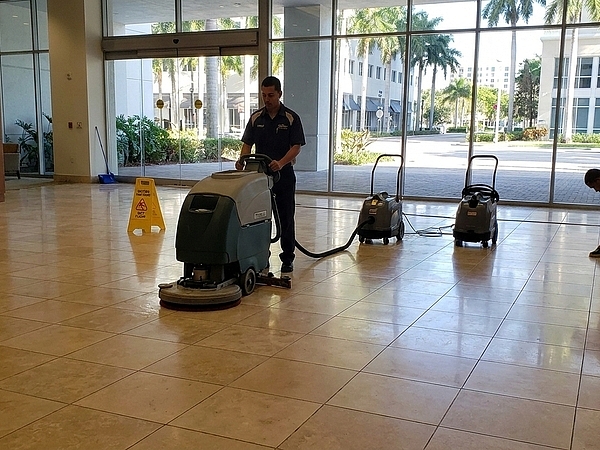
- Commercial-grade equipment, not residential tools
- Transparency about what products they use and why
- Availability for emergency cleaning or post-event restoration
Keeping Floors Clean Between Service Calls
Professional cleaning is the foundation. But daily maintenance still matters. Train your staff to address spills immediately, use walk-off mats at entrances, and avoid harsh chemicals that strip sealant or damage grout. Small habits add up to longer-lasting results.
We also recommend quarterly inspections even if you're on a regular cleaning schedule. Catching a small crack or a loose tile early means a quick fix instead of a major project. It's about staying ahead of the curve instead of chasing problems after they've already cost you money.
Floors That Work as Hard as You Do
Commercial tile in Broward County takes a beating. Between the weather, the traffic, and the constant exposure to moisture and debris, these floors are under stress every single day. Understanding why your grout keeps getting dirty helps explain the need for consistent care. The impact of humidity and salt air damage is real and measurable in commercial spaces. Learning why professional tile cleaning matters can shift how you view floor maintenance entirely. Routine tile cleaning isn't about perfection. It's about protection. It's about making sure the investment you made in quality flooring doesn't get wasted because maintenance fell through the cracks. The businesses that treat their floors like critical infrastructure are the ones still operating on the same surfaces ten years later — while everyone else is budgeting for replacements they didn't see coming.
Let’s Protect Your Investment Together
We know how much effort goes into keeping your business running smoothly, and your floors should work just as hard as you do. Let’s make sure your tile and grout stay clean, safe, and looking sharp year-round. If you’re ready to see the difference professional care can make, give us a call at 561-376-7362 or get a free quote today. We’re here to help your floors stand up to whatever Broward County throws their way.
‹ Back
Recent Posts
-
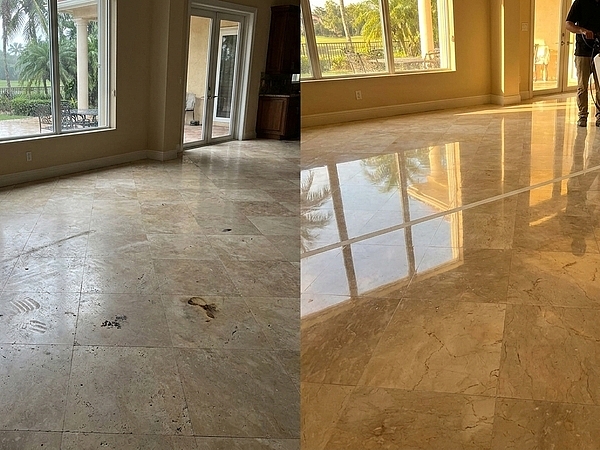
Is Your Natural Stone in Broward County Losing Its Shine?
September 8, 2026
-
-
Are Your Tile Floors in Broward County Harder to Keep Clean?
August 11, 2026
-
-