
Is Your Tile & Grout in Palm Beach County Starting to Look Dull Again?
Most homeowners think tile is bulletproof. Install it once, mop it occasionally, and you're done. But the reality? Tile might hold up, but grout doesn't. And if you're not paying attention, that dullness creeping across your floors and walls isn't just cosmetic—it's a sign that dirt, moisture, and neglect have already set in. Palm Beach County's humidity doesn't help. Neither does foot traffic. And if you've been using the wrong cleaner, you might be making it worse without even knowing it.
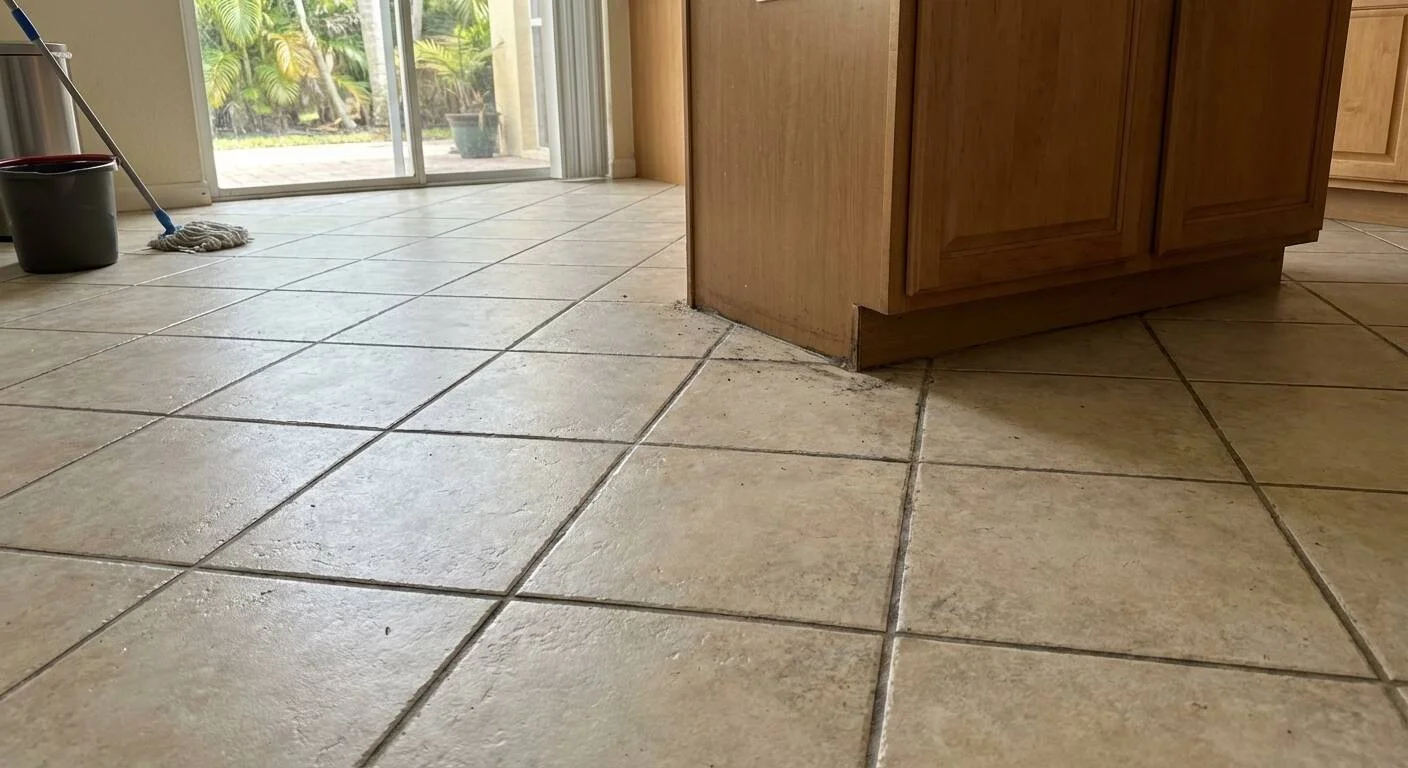
So here's what we're saying. If your tile looks tired and your grout lines are darker than they used to be, that's not normal wear. That's buildup. And it won't fix itself with a mop and bucket. Every surface needs a strategy. Every cleaning decision should be based on what's actually happening beneath the shine—not just what looks acceptable from across the room.
Grout Absorbs Everything You Throw at It
Tile itself is fairly resilient. Glazed ceramic and porcelain can handle spills, moisture, and daily use without much complaint. But grout? That's a different material entirely. It's porous, which means it soaks up whatever lands on it—soap scum, cooking oils, dirt tracked in from outside, even the residue from your cleaning products. Over time, all of that accumulates in the tiny pores, and no amount of surface scrubbing will pull it back out.
In Palm Beach County, the climate accelerates the problem. High humidity means moisture lingers longer, especially in bathrooms and kitchens. That moisture doesn't just sit on top of the grout—it seeps in, creating the perfect environment for mold and mildew to take hold. Once that happens, you're not just dealing with discoloration. You're dealing with humidity and salt air damage that spreads faster than most people realize.
What Makes Tile and Grout Lose Their Edge
There's no single reason your surfaces start looking worn. It's usually a combination of factors that pile up over time. Some are unavoidable. Others are the result of habits that seem harmless but aren't.
- Heavy foot traffic grinds dirt into grout lines, especially in entryways and hallways
- Using acidic or abrasive cleaners that strip away sealant and damage grout over time
- Skipping regular maintenance, which allows grime to harden and become nearly impossible to remove
- Moisture exposure in showers, around sinks, and near appliances that encourages mold growth
- Failing to reseal grout after professional cleaning, leaving it vulnerable to future staining
Store-Bought Solutions Only Go So Far
Walk into any home improvement store and you'll find an entire aisle dedicated to tile and grout cleaners. Some promise to restore shine. Others claim to kill mold on contact. A few even come with scrub brushes attached to the bottle. But here's the truth—most of those products are designed for surface-level cleaning, not deep restoration. They might make your tile look better for a week or two, but they won't pull embedded dirt out of grout or reverse years of neglect.
Worse, some of those cleaners leave behind residues that actually attract more dirt. Others are too harsh and can erode grout or dull the finish on your tile. If you've been scrubbing for hours with minimal results, it's not because you're doing it wrong. It's because the tools and products you're using weren't built for the job. Professional-grade equipment—like high-pressure steam cleaners and pH-balanced solutions—can reach depths that household products simply can't.
Why Professional Cleaning Delivers What DIY Can't
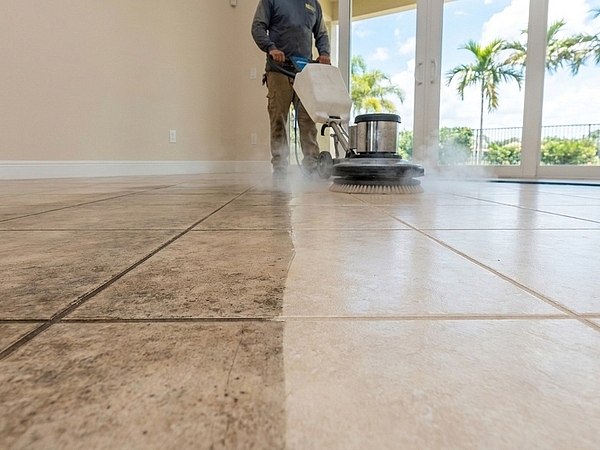
We've worked with enough homeowners to know that most people underestimate how much grime is actually trapped in their grout. Even if your tile looks relatively clean, the grout lines tell a different story. Professional tile and grout cleaning doesn't just scrub the surface—it extracts the buildup that's been sitting there for months or years.
- High-pressure steam penetrates deep into grout pores, lifting dirt and killing bacteria
- Specialized brushes and tools clean without damaging tile or grout integrity
- Professional-grade sealants create a protective barrier that repels moisture and stains
- Trained technicians can identify problem areas before they turn into costly repairs
- Results last longer because the cleaning process addresses the root cause, not just the symptoms
Sealing Is the Step Most People Skip
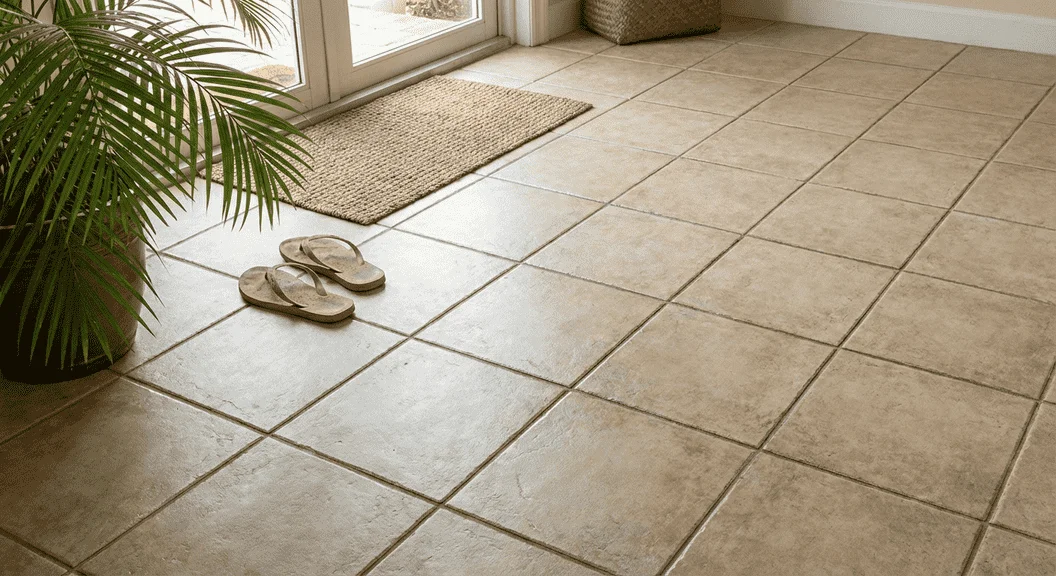
Even after a deep clean, grout remains porous. That means it's still vulnerable to staining, moisture, and mold—unless you seal it. Sealing creates a protective layer that keeps contaminants on the surface, where they can be wiped away easily. It also makes routine cleaning faster and more effective, because dirt can't penetrate as deeply.
Most professionals recommend resealing grout at least once a year, especially in high-moisture areas like bathrooms and kitchens. If you've never sealed your grout—or if it's been several years since the last application—you're leaving your surfaces exposed. And once staining sets in, it's much harder to reverse than it is to prevent.
Maintenance Habits That Actually Work
Once your tile and grout are restored, keeping them that way doesn't require a lot of effort. It just requires consistency. The homeowners who maintain the best-looking surfaces are the ones who build simple habits into their routines—not the ones who wait until things look bad and then panic.
- Sweep or vacuum high-traffic areas daily to prevent dirt from settling into grout
- Use a pH-neutral cleaner designed specifically for tile and grout, not all-purpose sprays
- Wipe up spills immediately, especially in kitchens where oils and acids can stain quickly
- Run exhaust fans during and after showers to reduce moisture buildup
- Schedule professional cleanings every 12 to 18 months to maintain long-term results
Finding a Service That Knows What They're Doing
Not all tile and grout cleaning companies are created equal. Some show up with a mop and a spray bottle and call it professional service. Others use outdated equipment or cut corners to keep prices low. If you're going to invest in restoration, you want a team that uses the right tools, understands the science behind grout cleaning, and stands behind their work.
Look for companies with strong local reviews, transparent pricing, and a clear explanation of their process. Ask whether they offer sealing as part of the service or if it's an add-on. Find out what kind of equipment they use and whether their technicians are trained to handle different types of tile and grout. The right provider won't just clean your surfaces—they'll help you understand how to protect them moving forward.
Dull Grout Doesn't Fix Itself
Ignoring dull tile and grout won't make the problem go away. It just gives dirt, moisture, and mold more time to settle in. And the longer you wait, the harder it becomes to restore your surfaces without professional help. If your floors and walls are starting to look tired, that's your cue to act—not to hope it gets better on its own.
We've seen too many homeowners wait until grout keeps getting dirty before calling for help. By then, the cost and effort required to fix the problem are much higher than they needed to be. The smart move is to address dullness early, maintain your surfaces consistently, and bring in professionals when DIY methods stop delivering results. Residential tile and grout cleaning services can help restore your surfaces to their original condition. For comprehensive surface restoration, explore our full range of residential cleaning services. To get started with professional restoration, request a free quote today. Your tile and grout can look as good as the day they were installed—but only if you treat them like they matter.
Let’s Bring Back the Shine Together
We know how frustrating it is to watch your tile and grout lose their luster, no matter how hard you try to keep them clean. Let’s make your floors and walls look fresh again—without the hassle or guesswork. If you’re ready for a real transformation, give us a call at 561-376-7362 or get a free quote and let’s restore your home’s surfaces the right way.
‹ Back
Recent Posts
-

-
Should You Schedule Tile Cleaning in Broward County Before the Holidays?
September 22, 2026
-
Is Your Natural Stone in Broward County Losing Its Shine?
September 8, 2026
-
-
Are Your Tile Floors in Broward County Harder to Keep Clean?
August 11, 2026