Why Grout Lines in Palm Beach County Slowly Darken Over Time
Most homeowners think grout is just filler. Something that sits between tiles and holds them in place. But grout is porous, and in Palm Beach County, that means it's constantly absorbing moisture, dirt, and everything else floating around in the air. You might scrub your floors weekly and still watch those lines turn gray or brown. That's not laziness — that's chemistry meeting climate.
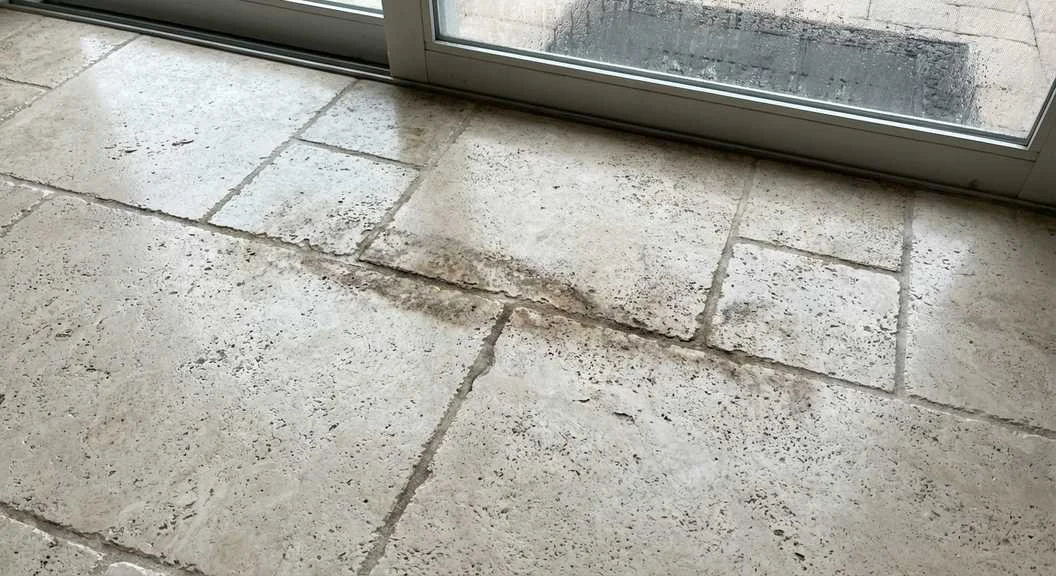
So here's what's happening. Your grout is soaking up the environment around it. Every drop of water, every grain of sand tracked in from the beach, every bit of humidity hanging in the air — it all finds a home in those lines. And once it's in there, it doesn't just rinse away. It builds up. Layer by layer, your grout shifts from bright to dull, and most people don't realize it's happening until the damage is done.
Grout Wasn't Built to Stay Clean Forever
Grout is made from cement, sand, and water. It's designed to fill gaps and provide structure, not to repel stains or resist moisture. That porous surface is exactly what makes it vulnerable. In a place like Palm Beach County, where humidity hovers around 70% year-round, grout is constantly exposed to moisture. And moisture doesn't travel alone — it brings contaminants with it.
Bathrooms and kitchens take the worst of it. Water splashes, steam rises, and grout absorbs it all. Over time, soap scum, body oils, food particles, and minerals from hard water seep into the surface. The grout darkens because it's holding onto everything it touches. And if it's not sealed properly — or if that seal has worn off — there's nothing stopping the absorption.
Humidity Does More Damage Than You Think
Palm Beach County isn't just warm — it's wet. The air itself carries moisture, and that moisture settles on every surface in your home. Grout lines are especially vulnerable because they sit lower than the tile surface, creating a natural trap for water and debris. Even if you're not actively using water in a room, the ambient humidity is enough to keep grout damp.
That constant dampness creates the perfect environment for discoloration. Minerals from the water, dust from the air, and organic matter all get pulled into the grout. And because the grout never fully dries out, those particles stay put. The result is a slow, steady darkening that most people don't notice until it's too late to reverse with a simple wipe-down. Understanding how humidity damages tile and grout can help you take preventive action before the problem worsens.
Foot Traffic Grinds Dirt Into the Surface
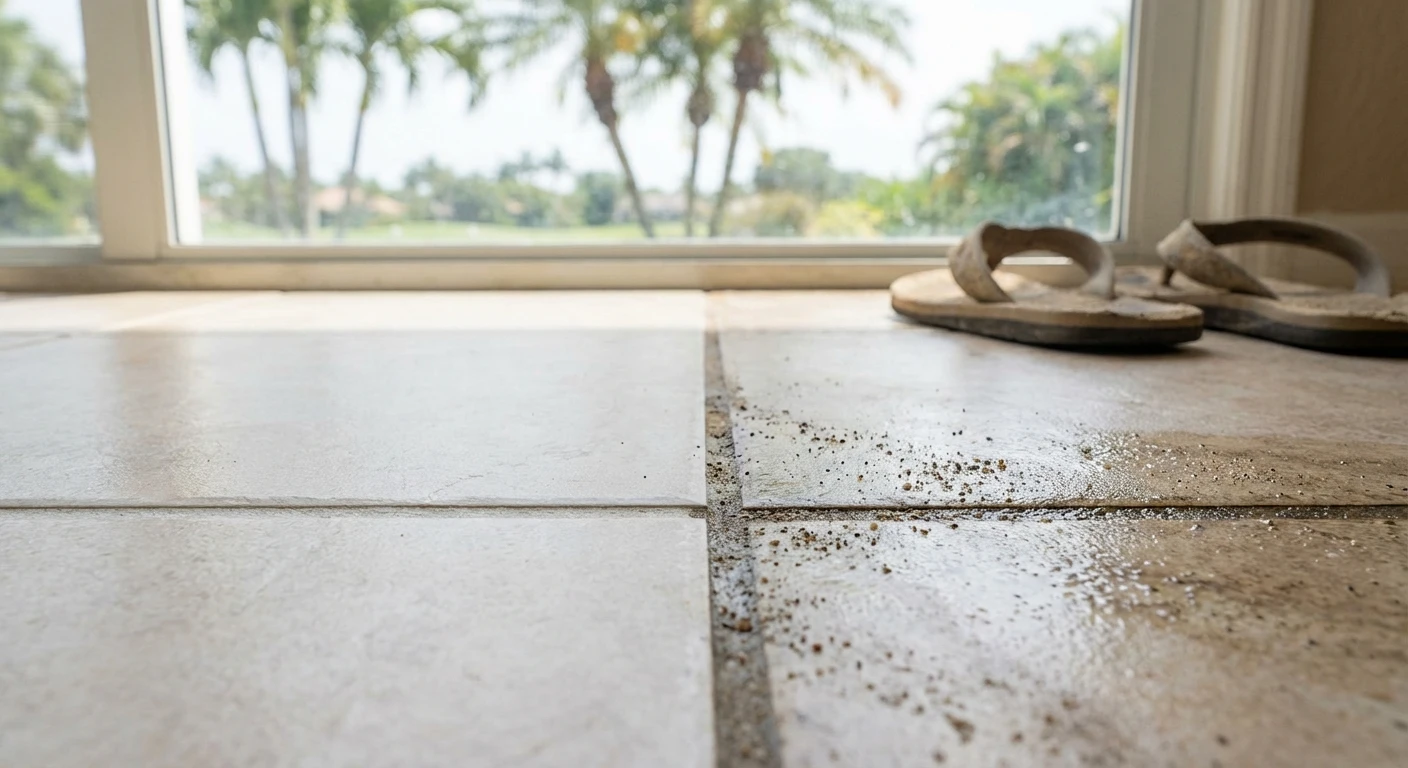
Every time someone walks across your tile, they're depositing microscopic particles into the grout. Sand from the beach, dirt from the yard, dust from the street — it all gets tracked in. Even if you enforce a no-shoes policy, pets and kids still bring in grime. And because grout sits slightly recessed, it catches everything that tiles don't.
High-traffic areas darken faster. Hallways, entryways, and kitchen floors take the brunt of it. The more people walk over those lines, the more dirt gets ground in. And once it's embedded, regular mopping won't pull it out. You're just pushing water over the surface while the real problem sits below.
Cleaning Products Leave Behind More Than Clean Floors
Not all cleaners are grout-friendly. Some leave behind a residue that actually attracts more dirt. Others contain harsh chemicals that break down the grout's surface, making it even more porous. In Palm Beach County, hard water adds another layer of complexity. Minerals like calcium and magnesium don't evaporate — they settle into the grout and create a chalky buildup that darkens over time.
If your grout isn't sealed, those residues penetrate deep. Even if the floor looks clean after mopping, the grout is holding onto whatever was in that bucket. And the next time you clean, you're adding another layer. It's a cycle that most homeowners don't realize they're feeding until the grout is visibly stained. This is one reason why your grout keeps getting dirty despite regular cleaning efforts.
Mold and Mildew Thrive in Warm, Wet Spaces
Mold doesn't need much to grow. Just moisture, warmth, and a porous surface. Palm Beach County offers all three in abundance. Grout lines in showers, around sinks, and near exterior doors are prime real estate for mold and mildew. Once it takes hold, it doesn't just sit on the surface — it grows into the grout itself.
That's when you see black or dark green streaks that won't scrub away. The discoloration isn't just dirt — it's living organisms breaking down the grout from the inside. And if you're only cleaning the surface, you're not solving the problem. Mold needs to be killed at the root, and that often requires more than a spray bottle and a sponge.
Sealant Wears Out Faster Than You'd Expect
Sealing grout is one of the best defenses against darkening. A good sealant creates a barrier that keeps moisture and contaminants from penetrating the surface. But sealants don't last forever. In Palm Beach County, where humidity and cleaning frequency are both high, sealants break down faster than they would in a drier climate.
Most manufacturers recommend resealing every one to two years. But if your grout is in a high-use area — like a shower or kitchen floor — you might need to do it more often. Once the sealant wears off, the grout is back to square one. And if you don't realize it's time to reseal, months or even years of buildup can happen before you notice the damage.
What You Can Do to Slow the Process
You can't stop grout from aging, but you can slow it down. The key is consistent maintenance and smart product choices. Here's what actually works:
- Wipe up spills immediately, especially in kitchens and bathrooms
- Use pH-neutral cleaners that won't leave residue or damage the grout
- Sweep or vacuum tiled floors regularly to remove loose dirt before it gets ground in
- Run exhaust fans during and after showers to reduce moisture buildup
- Reseal grout lines every 12 to 24 months, or sooner if water no longer beads on the surface
When DIY Isn't Enough
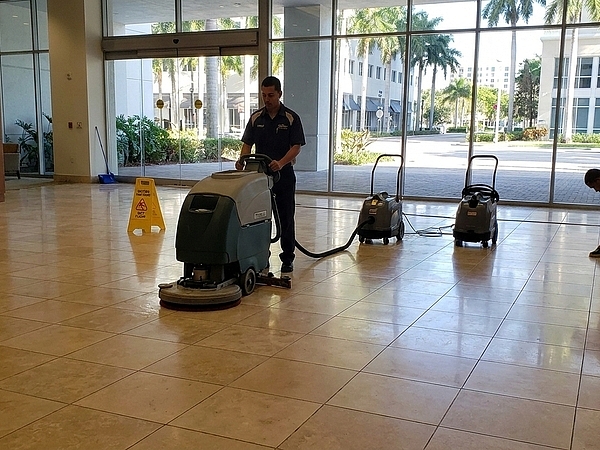
Sometimes, no amount of scrubbing will bring grout back to its original color. If the discoloration is deep, or if mold has taken hold, you're looking at a job that requires professional tools and expertise. Residential tile grout cleaning services use high-pressure steam, specialized brushes, and commercial-grade sealants that go beyond what you can buy at the hardware store.
Professional cleaning also gives you a fresh start. Once the grout is deep-cleaned and resealed, it's much easier to maintain. You're not fighting years of buildup — you're just keeping up with regular wear. And in a climate like Palm Beach County, that makes all the difference. Many homeowners wonder why they should get tile grout professionally cleaned, and the answer often becomes clear when DIY methods stop working.
Small Habits Prevent Big Problems
Darkening grout isn't a sign of poor housekeeping. It's a natural result of living in a humid, high-traffic environment. But that doesn't mean you have to accept it. With the right habits — regular cleaning, proper ventilation, and timely resealing — you can keep your grout looking clean for years. And when the buildup gets ahead of you, calling in a pro isn't a failure. It's just smart maintenance. Whether you need help with indoor floors or outdoor surfaces like pool decks and patios, professional surface cleaning services can restore what regular cleaning can't.
Let’s Restore Your Grout to Its Best
We know how frustrating it is to watch your grout lines darken no matter how hard you try to keep them clean. Let’s work together to bring back that fresh, bright look to your tile. If you’re ready for a real solution, give us a call at 561-376-7362 or get a free quote and see how easy it can be to love your floors again.
‹ Back
Recent Posts
-
Should You Schedule Tile Cleaning in Broward County Before the Holidays?
September 22, 2026
-
Is Your Natural Stone in Broward County Losing Its Shine?
September 8, 2026
-
-
Are Your Tile Floors in Broward County Harder to Keep Clean?
August 11, 2026
-