
How Often Should You Have Your Tile Floors Cleaned in Broward County?
Most property owners think tile is bulletproof. Slap it down, mop it once a week, and call it done. But Broward County isn't most places — and if you're not adjusting your cleaning cadence to match the climate, the foot traffic, and the grout you're walking on, you're watching wear happen in real time. Tile might not crack under pressure, but it shows neglect faster than you think. Especially when humidity, sand, and salt air are part of the daily equation.
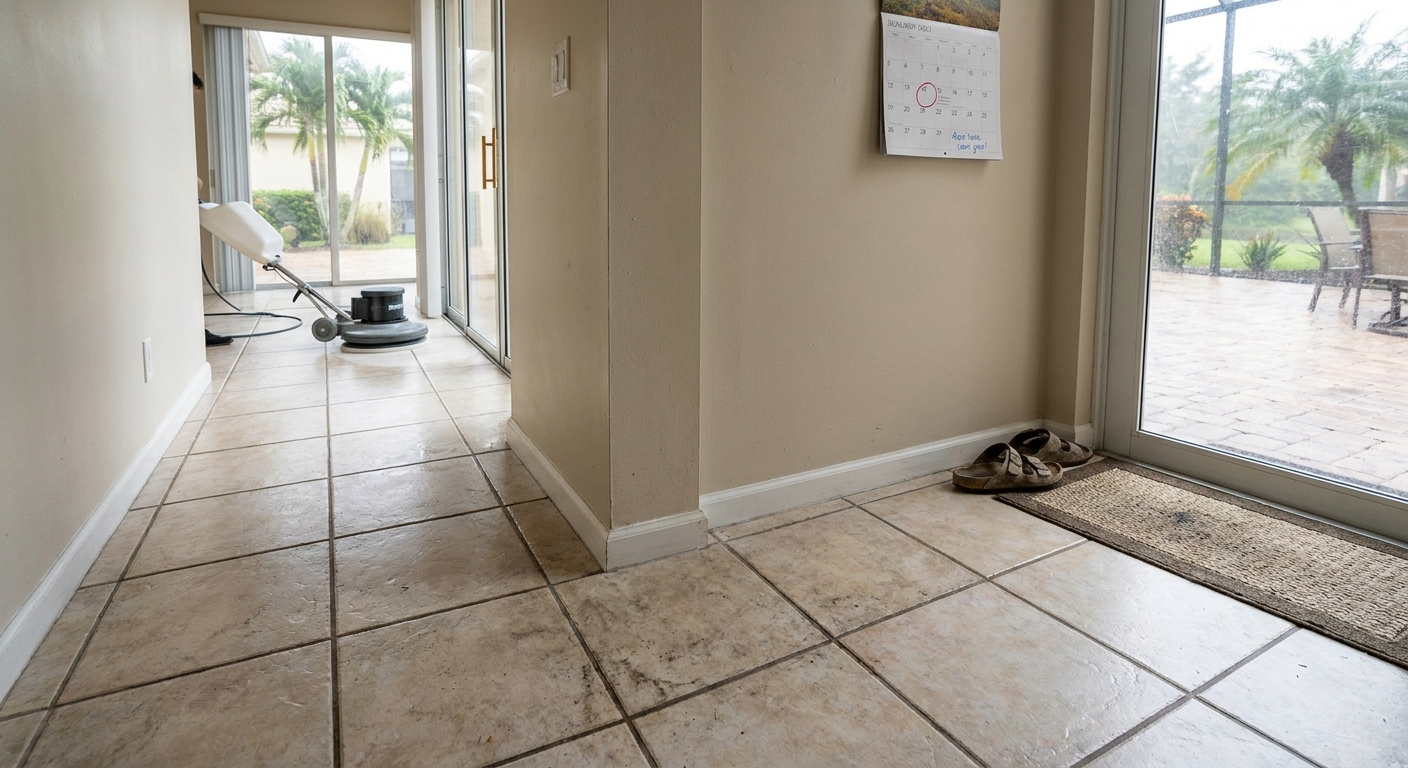
So here's what matters. If you want floors that look sharp and last longer, the schedule isn't optional. Every surface tells a story — and in South Florida, that story includes mildew, grit, and grout lines that darken before you notice. Maintenance isn't about perfection. It's about staying ahead of the damage before it costs you more than a cleaning ever would.
Traffic Patterns Change Everything
Not all tile gets walked on the same way. A hallway near the front door? That's a war zone. A guest bathroom that sees action twice a year? Barely a concern. The IRS might not care, but your floors do — and the frequency you clean should reflect how much abuse they're taking.
High-traffic zones collect dirt, moisture, and debris at a rate that makes weekly mopping feel like a placeholder. If you're running a business with customers coming through, or you've got kids and pets turning your entryway into a mud track, you're looking at professional tile and grout cleaning every six months minimum. Low-traffic areas can stretch to annual service without much risk. But don't guess. Walk your space and be honest about what's getting hammered.
Humidity Doesn't Take Days Off
Broward County sits in a climate where mold isn't a possibility — it's a given. Tile surfaces might dry fast, but grout lines? They're porous, they hold moisture, and they create the kind of conditions that let mildew settle in and multiply. You won't always see it right away, but you'll smell it. And once it's embedded, surface mopping won't touch it.
That's why homes and businesses near the coast or with poor ventilation need to tighten their cleaning intervals. Every 90 days isn't overkill when you're dealing with salt air and humidity damage. Grout sealing helps, but it's not a cure. You still need extraction-level cleaning to pull out what's hiding below the surface. If you're waiting for visible discoloration, you're already behind.
What You're Walking On Matters
Porcelain and ceramic hold up differently than natural stone. Sealed grout behaves differently than untreated lines. And if you've got textured tile meant to prevent slips, those grooves are collecting more grime than a smooth finish ever would. The material you chose impacts how often you need to clean — and how you clean it.
Here's a breakdown of what different surfaces demand:
- Porcelain tile handles aggressive cleaning and can go 12 to 18 months between professional services in moderate-traffic areas
- Ceramic tile is slightly more porous and benefits from cleaning every 12 months, especially if grout isn't sealed
- Natural stone like travertine or marble requires gentler products and more frequent attention — every six to nine months depending on use
- Textured or slip-resistant tile traps dirt in the surface pattern and should be deep-cleaned every six months to avoid buildup
- Grout type and color affect visibility of staining, but not the need for cleaning — light grout shows damage faster, dark grout hides it longer
DIY Mopping Only Goes So Far
We're not saying skip the mop. Regular surface cleaning keeps loose dirt from scratching the glaze and prevents stains from setting in. But household tools don't extract. They push water around, they spread diluted grime, and they leave moisture in grout lines that evaporates on top but stays wet underneath.
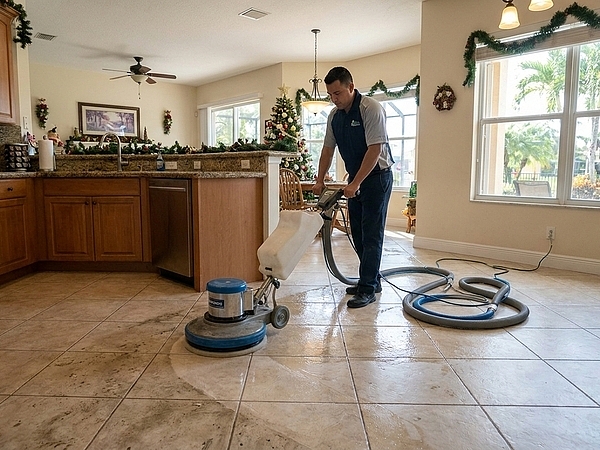
Professional tile cleaning services use heat, pressure, and extraction to pull contaminants out — not just off. That's the difference between a floor that looks clean and one that actually is. If you're only mopping and never deep-cleaning, you're maintaining appearances while the substrate deteriorates. And when grout starts crumbling or tiles start loosening, the repair bill makes a cleaning schedule look like pocket change.
Scheduling Around Real Use
Your cleaning timeline should reflect how your space functions, not a generic checklist someone posted online. A restaurant kitchen with tile floors needs monthly or bi-monthly service. A retail storefront with constant foot traffic should book quarterly cleanings. A residential home with two adults and no pets can probably stretch to annual deep cleans if they're staying on top of weekly maintenance.
Here's how to match frequency to your situation:
- Commercial tile floor cleaning with heavy daily traffic needs professional service every one to three months
- Residential homes with kids, pets, or beachfront access should aim for every six months
- Low-traffic rooms like formal dining areas or spare bedrooms can go 18 months between deep cleans
- Outdoor tile or pool deck areas exposed to the elements benefit from quarterly attention due to algae and mineral deposits
- Properties with recent grout sealing can extend intervals slightly, but sealing isn't permanent and wears down over time
When DIY Becomes a Liability
Plenty of property owners try to save money by handling everything in-house. That works until it doesn't. Using the wrong cleaner on natural stone can etch the surface. Over-wetting grout can cause it to break down faster. And scrubbing with abrasive tools can dull the finish on glazed tile.
If you're mixing your own solutions, using a steam mop without understanding grout tolerance, or just guessing at product compatibility, you're gambling with your flooring. A professional knows which chemicals work on which surfaces. They know how much pressure to apply. And they know when a floor needs resealing, not just cleaning. That's not upselling — that's preventing a bigger problem down the line.
What Clean Floors Actually Cost You
Most people wait until their tile looks bad before they call someone. By then, the staining is set, the grout is dark, and the cleaning takes longer because the buildup is worse. That's not saving money — that's paying more for a harder job.
Here's what happens when you stick to a schedule:
- Stains don't have time to bond with grout, making removal faster and less invasive
- Surface wear is minimized because abrasive particles are cleared before they can scratch
- Mold and mildew are managed before they spread, reducing health risks and odor
- Grout stays intact longer, delaying the need for expensive regrouting or tile replacement
- Your property maintains its value and appearance without emergency cleanings or last-minute repairs
The Difference Between Maintenance and Damage Control
There's a clean floor, and then there's a floor that's being protected. One looks fine for now. The other stays functional for years. Broward County's environment accelerates wear — salt, sand, humidity, UV exposure if you've got outdoor tile. None of that is neutral. It's all working against your investment.
We see properties where tile gets cleaned once and then ignored for three years. When we show up, the grout's crumbling, the surface is etched, and half the damage could've been avoided with basic upkeep. That's not a maintenance issue — that's neglect dressed up as cost savings. And the bill at the end is always higher than the one you skipped.
Build the Habit Before You Need the Fix
Cleaning tile isn't glamorous. It's not the kind of thing that gets celebrated or noticed until it's missing. But the properties that look sharp year after year? They're not lucky. They're consistent. They've built a rhythm that matches their use, their climate, and their flooring type. And they're not waiting for a problem to prove they should've acted sooner.
If you're in Broward County and your tile hasn't been professionally cleaned in over a year, you're overdue. If it's been longer than that, you're in damage control territory. The good news? It's fixable. The better news? Staying ahead of it from here is easier than catching up ever was.
Let’s Keep Your Tile Floors Looking Their Best
We know how quickly Broward County’s climate can take a toll on your tile floors, but with the right schedule and a little help from professionals who understand local conditions, you can keep your space looking sharp year-round. Let’s work together to protect your investment and make sure your floors always make the right impression. Call us at 561-376-7362 or get a free quote today and see the difference a dedicated team can make for your home or business.
‹ Back
Recent Posts
-
How Often Should You Have Your Tile Floors Cleaned in Broward County?
November 17, 2026
-
-
Can Dirty Grout in Broward County Make Your Floors Look Older?
October 20, 2026
-

-
Should You Schedule Tile Cleaning in Broward County Before the Holidays?
September 22, 2026