Are Your Tile Floors in Broward County Harder to Keep Clean?
Most homeowners think tile maintenance is straightforward. Mop it, dry it, move on. But Broward County throws curveballs most cleaning guides don't account for—and if you're not adjusting your approach, you're fighting a losing battle. The humidity alone rewrites the rules. Add coastal sand, daily downpours, and the kind of foot traffic that comes with Florida living, and suddenly your tile isn't just dirty. It's hosting a full ecosystem.
Here's the reality. If you're cleaning the same way you did up north or inland, that's a problem. Every surface in this climate needs a strategy tailored to moisture, salt air, and the relentless grind of sand. Your tile can handle it—but only if you're treating the conditions like they matter, not like they're optional footnotes.
Humidity Breeds More Than Discomfort
Broward County's air isn't just warm. It's thick with moisture, and that changes how dirt behaves on your floors. High humidity means spills don't evaporate quickly. They settle into grout. Mold doesn't need a leak to thrive here—it just needs time and a porous surface. Bathrooms and kitchens become prime real estate for mildew, especially in corners where airflow stalls.
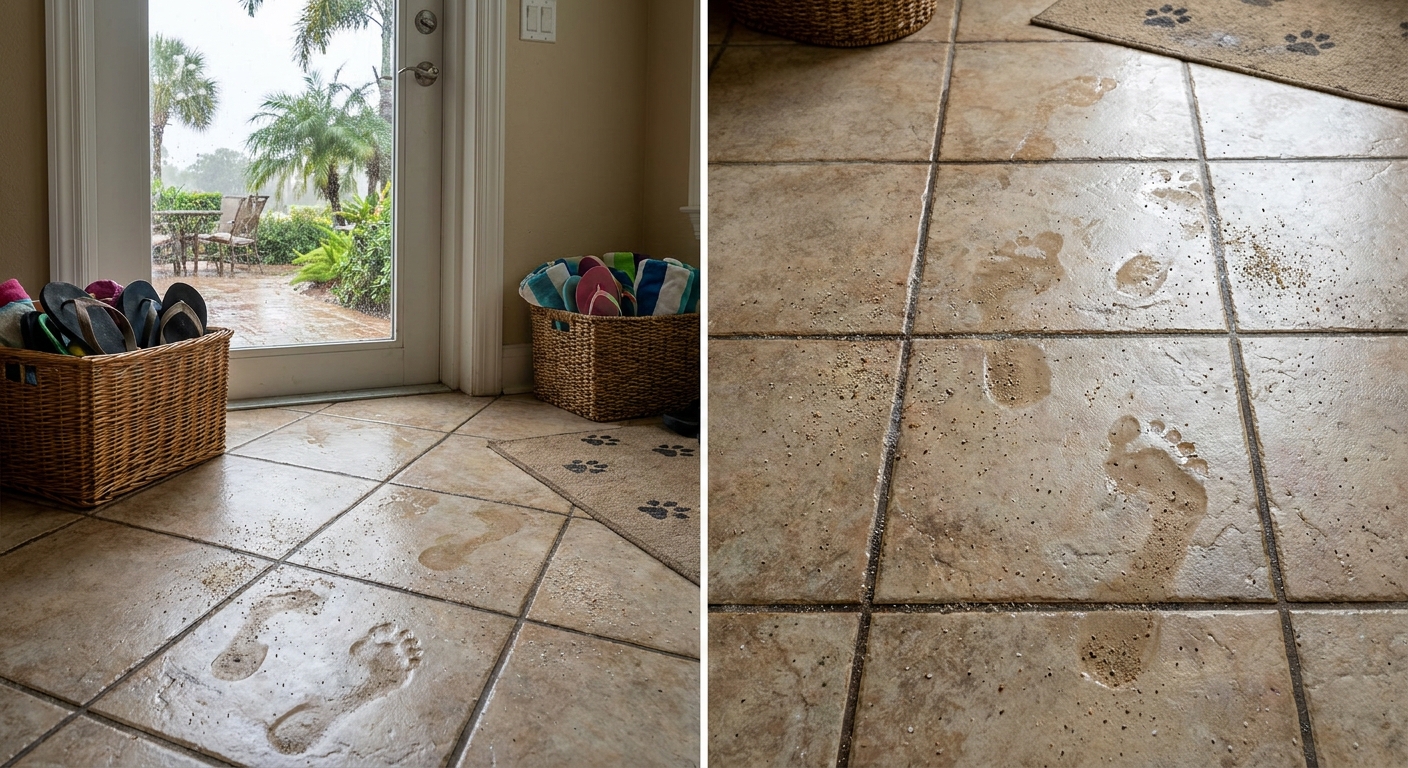
Frequent rainfall compounds the issue. Wet shoes, dripping umbrellas, and muddy entry points turn your foyer into a collection zone for grime. That moisture doesn't just sit on the surface—it seeps into grout lines, darkens the tile, and creates a breeding ground for bacteria. If you're mopping daily and still seeing discoloration, it's not your effort. It's the environment.
Sand and Salt Leave Their Mark
Living near the coast means dealing with two invisible enemies that wreak havoc on tile: sand and salt. Both get tracked in constantly, whether you're coming back from the beach or just walking through a breezy afternoon. Sand acts like sandpaper underfoot, scratching tile glazes and embedding itself into grout. Salt residue doesn't just look bad—it can corrode certain finishes over time if left unchecked.
Most people don't realize how much accumulation happens until they see the grit pile up in corners or feel it crunch under their feet. Regular sweeping helps, but it's rarely enough. You need to vacuum with a hard-floor attachment or use microfiber dust mops that actually capture fine particles instead of pushing them around.
Grout Takes the Brunt
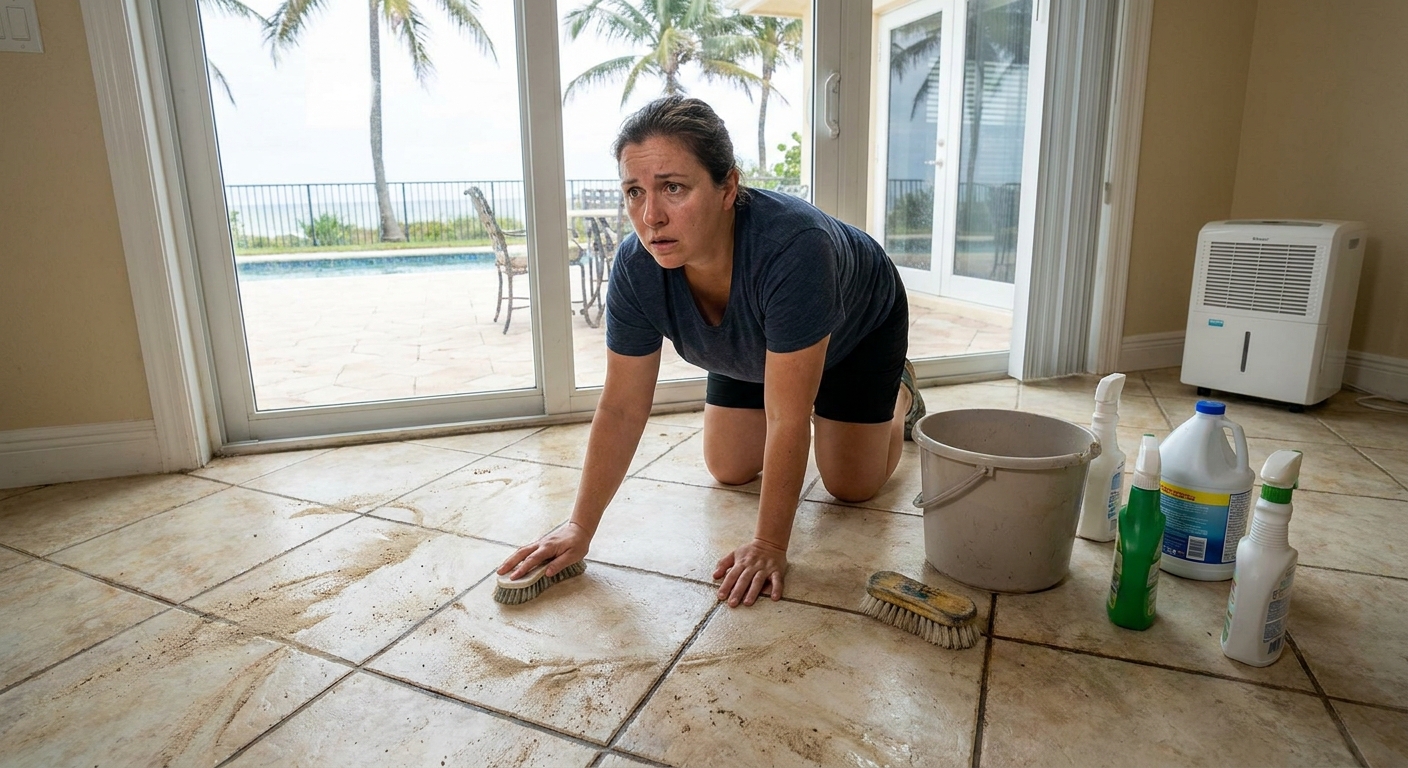
Tile surfaces are non-porous and relatively easy to manage. Grout is the opposite. It absorbs everything—spills, soap scum, dirty mop water, humidity. In Broward's climate, grout discoloration happens fast. What starts as light beige turns gray, then brown, then black. Mold finds its way into the crevices, and no amount of surface scrubbing will lift it out once it's embedded.
Standard mopping won't cut it. You'll need targeted grout cleaning tools—stiff brushes, alkaline cleaners, or oxygen bleach solutions. And even then, older grout that's never been sealed is fighting an uphill battle. Sealing grout isn't optional here. It's the difference between maintaining your floors and replacing them prematurely.
Foot Traffic Multiplies the Problem
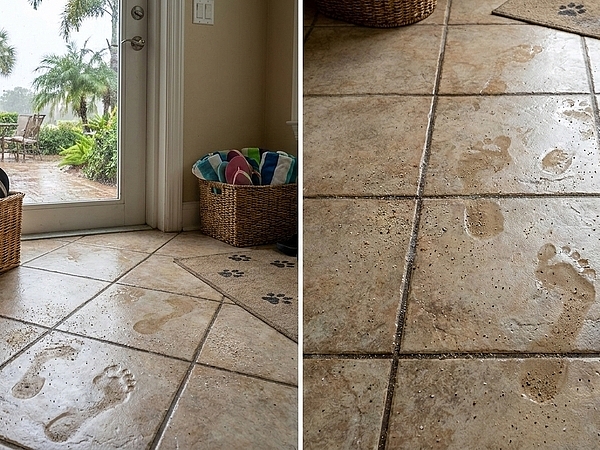
Broward County isn't a low-activity region. Between kids running in and out, pets shaking off pool water, and guests arriving from the dock or the driveway, your tile sees action. Flip-flops carry debris. Sandals track sand. Bare feet leave oils. Every pass adds a layer, and high-traffic zones like entryways, hallways, and kitchens show it first.
Throw in pool parties, backyard barbecues, or just the daily rhythm of Florida living, and you're looking at constant exposure. Spills happen. Wet footprints dry into streaks. And if you're not cleaning proactively, the buildup becomes visible faster than you'd expect. This isn't about being messy—it's about the sheer volume of use your floors endure in an active household.
Wrong Products Make It Worse
Not all tile cleaners are created equal, and some do more harm than good. Products that leave behind a waxy residue might make floors shine temporarily, but they also attract dirt like a magnet. Others are too acidic and can etch natural stone or degrade grout over time. In a humid environment, anything that doesn't dry clean is a liability.
You need pH-neutral cleaners designed for tile and grout. Avoid oil-based soaps, anything with heavy fragrance fillers, or products marketed as "all-purpose" without tile-specific language. And never use excessive water when mopping. Standing water seeps into grout, feeds mold, and undoes everything you just cleaned. Less is more—especially here.
What Actually Works
- Install high-quality doormats inside and outside every entrance to catch sand and moisture before it spreads.
- Sweep or vacuum with a hard-floor setting at least every other day in high-traffic areas.
- Use a damp mop with minimal water and a pH-neutral cleaner, not a soaking wet one.
- Seal grout lines every 12 to 18 months to prevent staining and moisture absorption.
- Wipe up spills immediately, especially anything acidic like juice or wine.
When DIY Stops Working
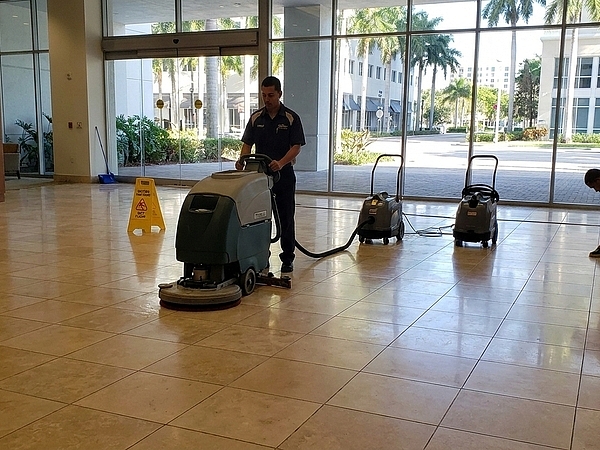
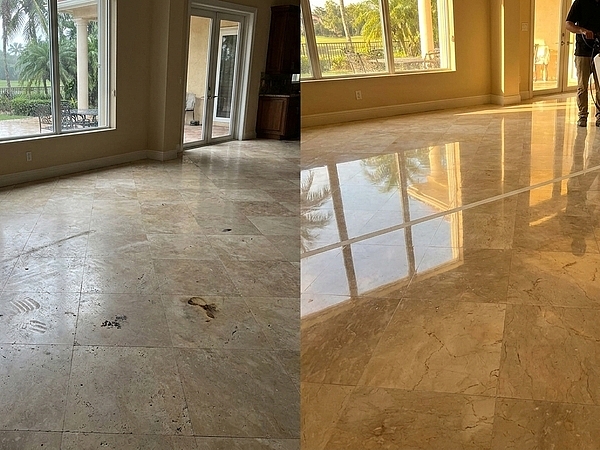
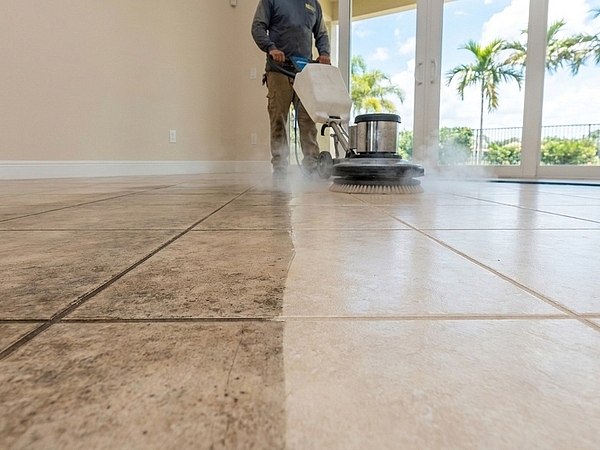
Sometimes your best effort isn't enough. Grout that's been neglected for years, mold that's spread beyond surface level, or tile that's lost its finish—these aren't problems a bottle of cleaner will solve. Professional tile and grout cleaning uses high-pressure steam, industrial-strength solutions, and extraction tools that pull grime out instead of smearing it around.
Professionals can also recolor or regrout damaged lines, apply long-lasting sealants, and restore tile to a near-original state. It's not cheap, but it's a fraction of the cost of replacement. And in Broward's climate, it's often the only way to reset the clock on floors that have absorbed years of humidity and wear.
Prevention Beats Repair
- Keep humidity levels in check with dehumidifiers or proper ventilation, especially in bathrooms.
- Run ceiling fans or AC to promote airflow and reduce moisture buildup.
- Train household members to remove shoes at the door or use designated indoor footwear.
- Check grout monthly for cracks or discoloration and address issues early.
- Schedule professional deep cleaning at least once a year if you live near the coast.
Your Floors Aren't the Problem
Tile is one of the most durable flooring options available. It can handle moisture, heat, and heavy use better than most alternatives. But it's not self-cleaning, and it's not immune to the environmental stressors unique to Broward County. The real issue isn't the tile—it's whether you're cleaning it in a way that respects the conditions it lives in.
Sand, salt, humidity, and traffic don't care how often you mop. They demand a smarter approach. That means targeted products, consistent maintenance, and knowing when to call in reinforcements. Your tile floors can look pristine year-round—but only if you're willing to meet them halfway. If you're struggling with stubborn stains or persistent discoloration, homes in Broward County often benefit from professional surface restoration services that address the unique challenges of this coastal climate.
Let’s Make Your Tile Shine Again
We know how tough Broward County can be on your tile floors, but you don’t have to tackle it alone. Let’s bring back that fresh, clean look and keep your home feeling its best—no matter what the Florida climate throws your way. Give us a call at 561-376-7362 or get a free quote and see how easy it is to love your floors again.
‹ Back
Recent Posts
-
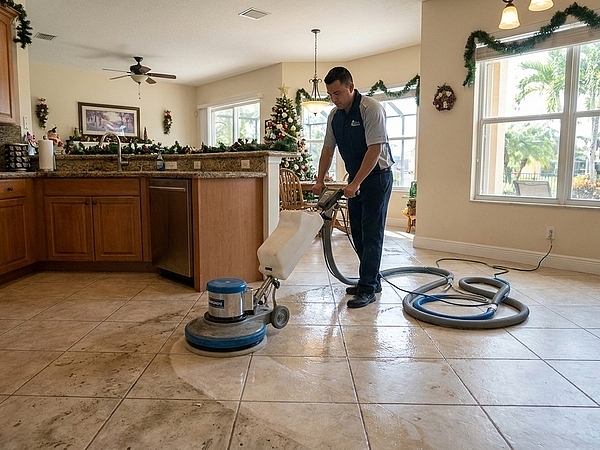
Should You Schedule Tile Cleaning in Broward County Before the Holidays?
September 22, 2026
-
Is Your Natural Stone in Broward County Losing Its Shine?
September 8, 2026
-
-
Are Your Tile Floors in Broward County Harder to Keep Clean?
August 11, 2026
-