
Can a Home Inspection in Flagstaff Catch Attic Ventilation Problems?
Most buyers think inspections are just about checking boxes. Foundation, roof, plumbing—done. But the attic? That's where Flagstaff homes hide their secrets. Poor ventilation doesn't announce itself with a leak or a crack. It builds quietly, month after month, until you're staring at mold, rot, or an energy bill that makes no sense.
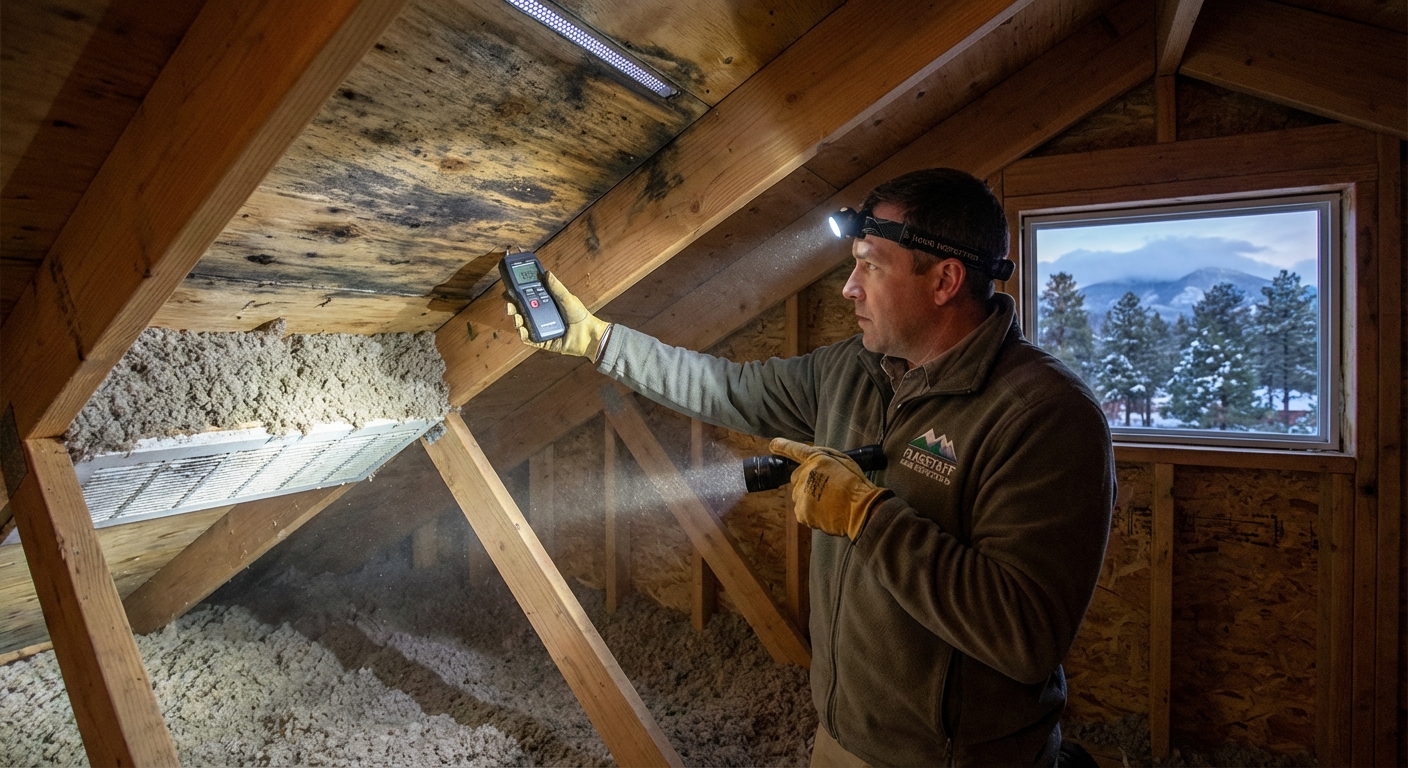
So here's what matters. A solid inspector will catch ventilation problems—if they know what to look for and if the attic isn't buried under decades of storage. But not all inspections are created equal. And in a climate like Flagstaff's, where snow sits heavy and moisture has nowhere to go, ventilation isn't optional. It's the difference between a home that lasts and one that costs you every winter.
Flagstaff's Climate Doesn't Forgive Bad Airflow
Flagstaff sits at 7,000 feet with winters that dump snow and summers that swing from warm days to cool nights. That temperature dance creates condensation. And condensation without an escape route? That's how you get ice dams, warped decking, and insulation that stops doing its job.
Proper ventilation keeps air moving through the attic—pulling heat and moisture out before they settle in. Without it, your roof ages faster, your heating costs climb, and structural damage starts creeping through the rafters. We've seen homes where the ventilation was an afterthought, and the repair bills weren't.
What Inspectors Actually Check Up There
A competent home inspector won't just poke their head into the attic and call it good. They'll assess the system—or lack of one—and document what they find. That means looking at airflow design, moisture indicators, and whether the setup even makes sense for the home's size and roof type.
Here's what gets flagged during a thorough inspection:
- Vent placement and quantity—soffit, ridge, gable, or turbine vents and whether they're positioned to create actual airflow
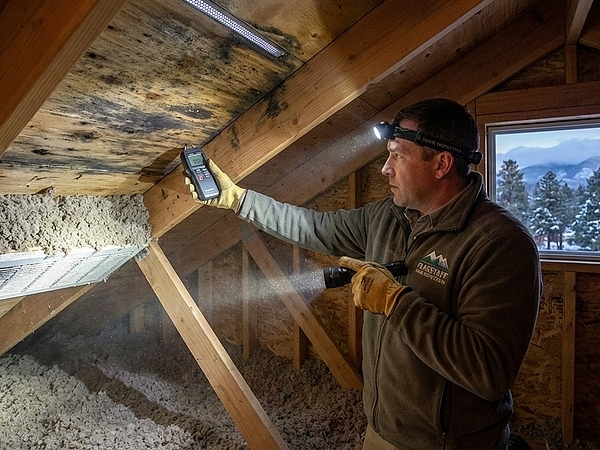
- Moisture stains or mildew on framing, sheathing, or insulation that signal trapped humidity
- Blocked vents from insulation, debris, or improper installation that choke off circulation
- Temperature imbalances between the attic and living space that suggest ventilation failure
- Roof decking condition—warping, discoloration, or soft spots that point to long-term moisture exposure
The Problems Flagstaff Attics Hide
Older homes in Flagstaff weren't always built with modern ventilation standards. Some were slapped together with minimal airflow, and others have been "improved" over the years in ways that actually made things worse. Insulation blown in without regard for vent clearance. Gable vents painted shut. Ridge vents installed on roofs that already had other systems, creating pressure conflicts.
These are the issues we see most often:
- Insufficient vent area for the attic's square footage, leaving air stagnant
- Soffit vents buried under insulation or blocked by storage, cutting off intake
- Mismatched vent types that fight each other instead of working together
- Attic bypasses around pipes, wires, or chimneys that leak warm air and moisture into the space
- No ventilation at all in sections of complex rooflines or additions
How Inspectors Spot the Red Flags
Visual inspection is the starting point, but experienced inspectors bring tools. Moisture meters detect hidden dampness in wood. Infrared cameras reveal temperature patterns that shouldn't exist. And in winter, frost or ice buildup inside the attic tells the whole story without needing a gadget.
Inspectors also look for secondary clues—rust on nail tips poking through the roof deck, condensation on vent pipes, or that musty smell that means mold is already growing somewhere. If the attic is accessible and the inspector is thorough, ventilation problems don't stay hidden for long.
When Inspections Hit Their Limits
Not every attic can be fully inspected. If access is limited, the space is packed with belongings, or the roof design makes certain areas unreachable, the inspector can only report on what they can see. Some issues only show up under specific conditions—heavy snow, extreme cold, or prolonged moisture—that might not be present on inspection day.
That's why we recommend asking questions. How accessible was the attic? Did the inspector use moisture detection tools? Were there areas they couldn't evaluate? A good inspector will tell you what they couldn't check, not just what they did.
Fixing What Gets Found
Ventilation problems sound intimidating, but most are fixable without tearing the roof off. Adding soffit or ridge vents, clearing blocked intakes, sealing attic bypasses, or repositioning insulation can solve the majority of issues. More serious cases—like rotted decking or mold remediation—require contractors, but catching them early keeps costs manageable.
Buyers should use inspection findings to negotiate repairs or credits. Sellers should address known problems before listing to avoid deal-killing surprises. Either way, ignoring ventilation issues doesn't make them cheaper—it makes them worse. Just as grout maintenance prevents long-term damage, proper attic ventilation protects your home's structural integrity.
Documentation Backs Up Every Finding
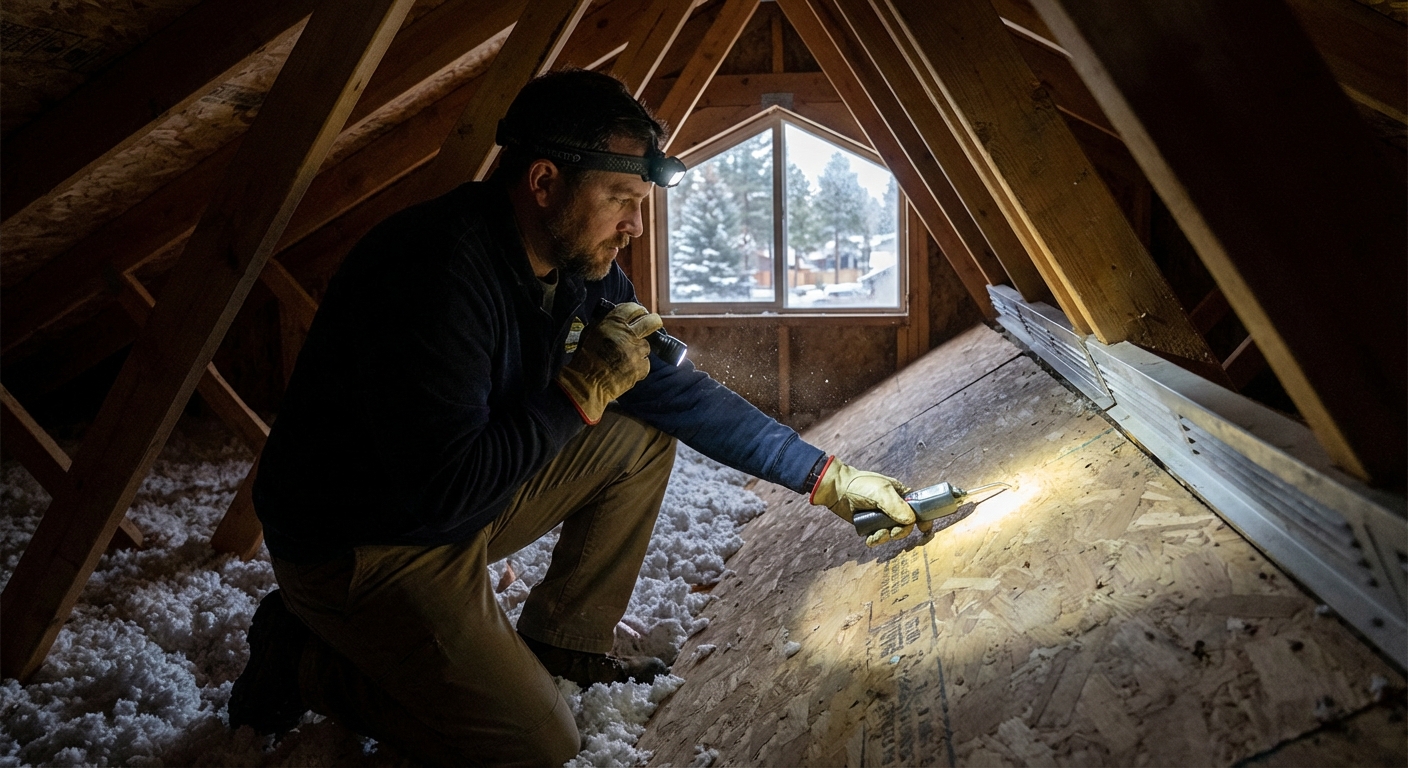
A solid inspection report includes photos, measurements, and clear descriptions of what's wrong and why it matters. That documentation protects buyers during negotiations and gives sellers a roadmap for repairs. If you're financing the purchase, lenders may require proof that ventilation issues have been addressed before closing.
Keep copies of everything:
- The full inspection report with attic section highlighted
- Photos of problem areas—blocked vents, moisture stains, damaged decking
- Contractor estimates for repairs or upgrades
- Receipts and warranties if work gets completed before closing
Not All Inspectors Are Equal
Hiring the cheapest inspector is a gamble. We've seen reports that barely mention the attic or gloss over ventilation with a single sentence. A qualified inspector will spend time up there, take measurements, and explain what they found in terms that make sense. Look for inspectors with ASHI or InterNACHI certification and experience in Flagstaff's specific climate challenges.
Ask about their process before you hire. Do they use moisture meters? Will they check for attic bypasses? How do they handle limited access? The answers tell you whether they're thorough or just going through the motions. Similar to how humidity affects tile and grout, moisture in attics requires professional assessment and intervention.
Ventilation Problems Don't Wait for Convenient Timing
Attic ventilation isn't glamorous. It doesn't show up in listing photos or impress buyers during walkthroughs. But it's one of the most critical systems in a Flagstaff home, and a good inspection will catch problems before they turn into structural nightmares. Whether you're buying or selling, understanding what's happening above your ceiling—and making sure someone qualified checks it—saves money, stress, and the kind of repairs that derail closings. Much like professional tile and grout cleaning maintains surface integrity, proper ventilation maintains your home's structural health. For homeowners dealing with moisture-related surface issues, residential cleaning services can address visible damage while ventilation fixes prevent future problems. Understanding why professional cleaning matters applies to both surface maintenance and structural systems. When moisture issues affect outdoor surfaces, pool decks and patio cleaning becomes equally important.
We've guided buyers and sellers through hundreds of Flagstaff transactions, and the ones who take attic ventilation seriously are the ones who avoid costly surprises. Get the inspection. Ask the questions. Fix what needs fixing. That's how you protect your investment and keep your home standing strong through every season Flagstaff throws at it.
Let's Protect Your Flagstaff Home Together
We know how important it is to catch attic ventilation issues before they become expensive headaches. If you're ready for a thorough inspection that leaves no corner unchecked, let's talk. Call us at 928-600-7761 and let’s make sure your home is ready for whatever Flagstaff’s climate brings. When you’re ready to take the next step, Schedule An Inspection and we’ll handle the rest.
‹ Back
Recent Posts
-
How Long Does a Full Home Inspection in Flagstaff Take?
February 2, 2026
-
Is a Termite Inspection Included in a Flagstaff Home Inspection?
January 19, 2026
-

Why Should I get My Tile & Grout Professionally Cleaned?
January 15, 2026
-
-
Do New Construction Homes in Flagstaff Still Need Inspections?
December 22, 2025