
How Long Does a Full Home Inspection in Flagstaff Take?
Most buyers think home inspections are just a quick walkthrough. Show up, nod along, sign off. But if you're serious about what you're buying in Flagstaff, you need to understand what actually happens during those hours — and why rushing through it is a mistake. The timeline isn't arbitrary. It's driven by square footage, age, condition, and how much the previous owner let slide. Skip the details now, and you'll pay for it later.
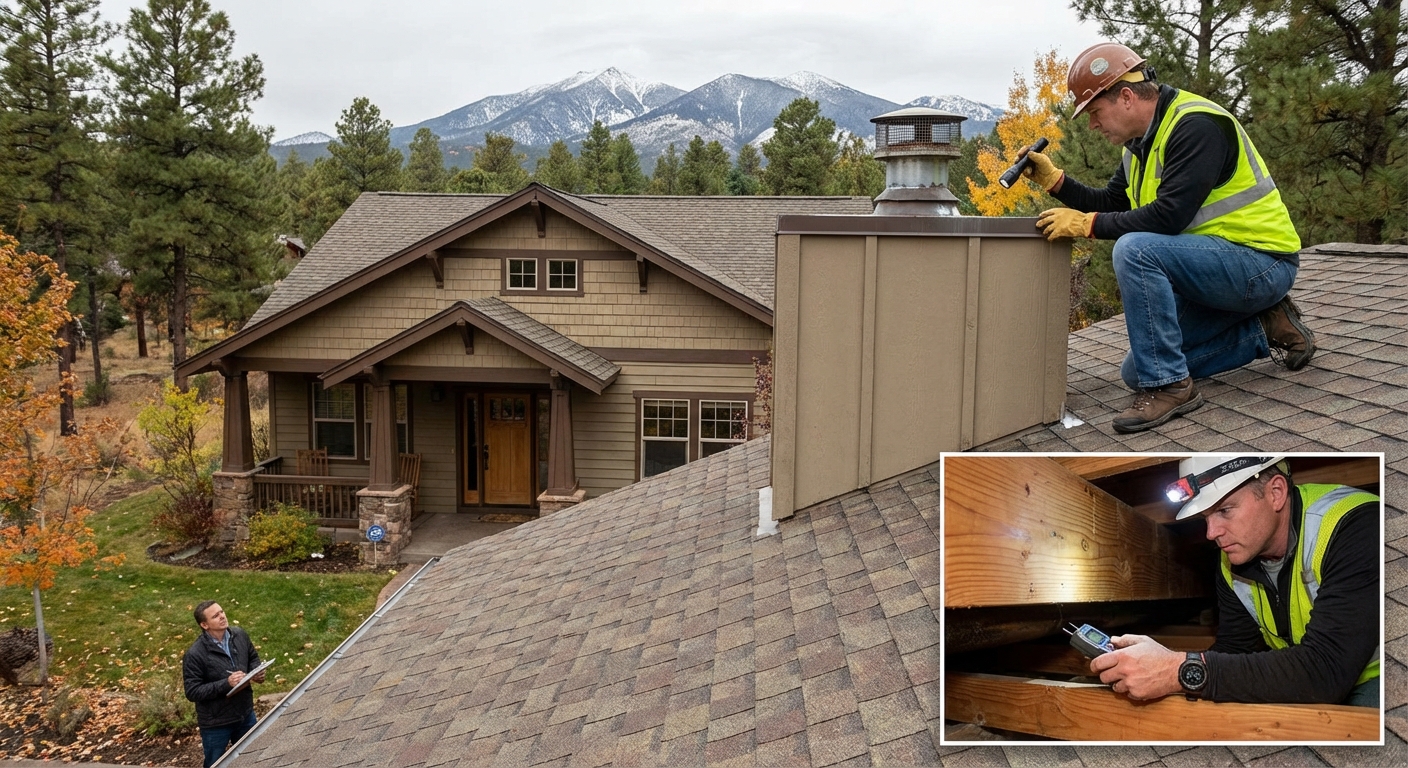
So here's what matters. A thorough inspection isn't about speed. It's about uncovering what's hidden behind drywall, under shingles, and inside crawl spaces. Every system gets tested. Every red flag gets documented. And every minute spent now could save you thousands down the line — or give you leverage to renegotiate before you're locked in.
What Actually Gets Inspected
A full home inspection covers the bones and guts of the property. We're talking roof integrity, foundation stability, electrical systems, plumbing lines, HVAC performance, and structural soundness. The inspector isn't there to tell you if the paint color works. They're there to flag safety hazards, code violations, and expensive repairs waiting to happen.
This isn't a cosmetic review. It's a technical evaluation performed by someone who knows what to look for when systems fail or materials degrade. If the home has a basement, attic, or outbuildings, those get scrutinized too. The goal is simple — give you a clear picture of what you're actually buying, not just what the listing photos showed.
The Typical Timeframe in Flagstaff
Most full inspections in Flagstaff run between two and four hours. That's the standard window for a single-family home in decent shape. But don't treat that as a hard rule. Larger properties stretch the timeline. Older homes demand more attention. And if the place has been neglected or poorly maintained, expect the inspector to slow down and dig deeper.
Here's what drives the clock:
- Square footage and layout complexity
- Age of the structure and its systems
- Overall condition and visible maintenance history
- Accessibility of key areas like roofs, crawl spaces, and attics
- Additional testing requests such as radon, mold, or pest evaluations
How the Process Breaks Down
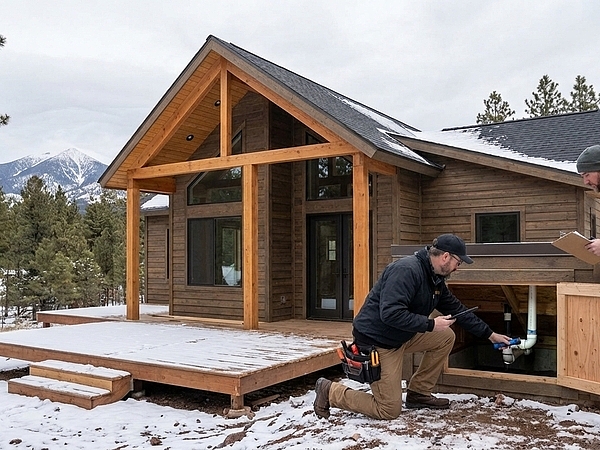
Inspectors don't just wander around with a clipboard. They follow a methodical sequence designed to cover every critical component. The exterior gets evaluated first — roofing materials, siding, grading, drainage patterns, windows, doors, and any attached structures. That alone can take thirty to forty-five minutes depending on access and condition.
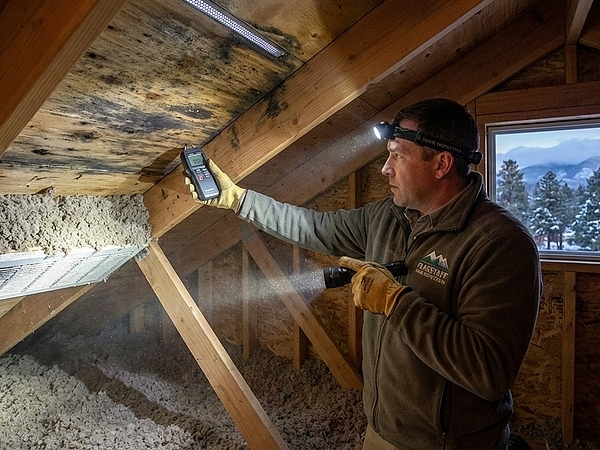
Then they move inside. Walls, ceilings, floors, staircases, and railings all get checked for structural integrity and safety compliance. After that comes the systems review — plumbing fixtures, electrical panels, HVAC units, water heaters. This is where hidden problems surface. Finally, they inspect attics, basements, and crawl spaces for insulation quality, ventilation issues, moisture intrusion, and pest activity. Each phase matters, and cutting corners in any one area leaves gaps in your understanding of the property.
Variables That Stretch the Timeline
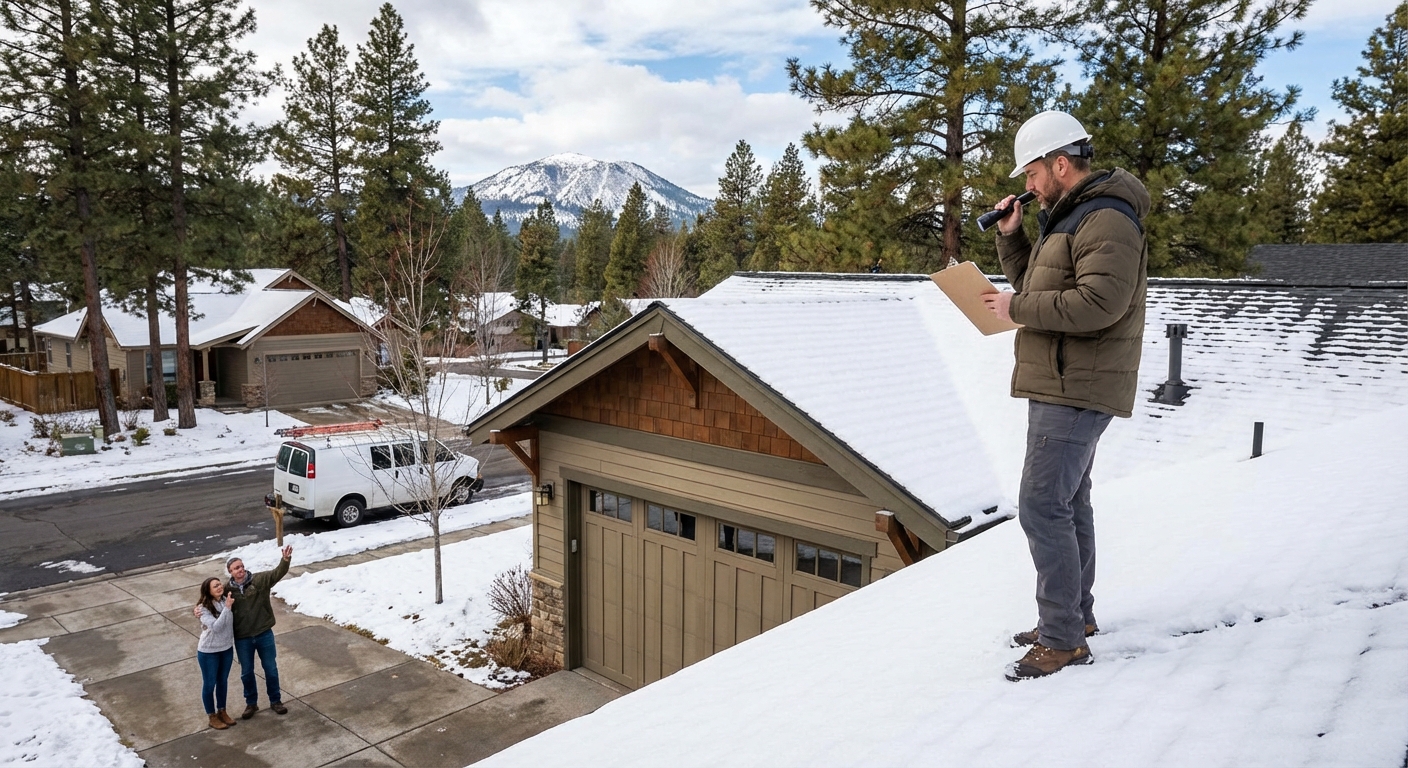
Not every inspection fits neatly into a three-hour block. Occupied homes take longer because furniture and belongings limit access. Vacant properties move faster, but only if they're clean and well-lit. Weather plays a role too — snow or rain in Flagstaff can make roof inspections dangerous or impossible, forcing delays or follow-up visits.
If you or the seller attend the inspection and ask questions, that adds time. But it's worth it. Watching the inspector work and hearing their observations in real time gives you context that a written report can't fully capture. Just don't expect them to rush through critical areas because you have another appointment.
Why Cutting Corners Costs More
Some buyers push for faster inspections to keep deals moving. That's a gamble. A rushed evaluation misses details. Missed details become expensive surprises after closing. We've seen buyers skip attic inspections only to discover roof leaks six months later. We've watched people waive thorough electrical reviews and then face rewiring bills that dwarf their down payment.
The inspection fee is small compared to what you're spending on the property. Let the inspector take the time they need. If they're thorough, they'll catch issues that give you negotiating power or help you walk away from a bad investment. If they're sloppy, you're flying blind.
What Slows Things Down
Certain factors consistently extend inspection timelines. Homes with multiple levels, finished basements, or detached garages require more coverage. Properties built before modern building codes demand closer scrutiny of outdated wiring, plumbing, and structural methods. Deferred maintenance — peeling paint, sagging gutters, cracked foundations — signals deeper problems that take time to assess properly.
Here's what typically adds hours:
- Difficult access to roofs, crawl spaces, or utility areas
- Presence of older systems that need detailed evaluation
- Visible damage or signs of water intrusion
- Requests for specialized testing beyond the standard inspection
- Large properties with extensive grounds or outbuildings
When Extra Services Come Into Play
Standard inspections cover the major systems, but they don't test for everything. Radon is common in Flagstaff and requires separate testing equipment. Mold assessments involve air quality sampling and lab analysis. Termite inspections focus on wood-destroying organisms that a general inspector might not catch. Each add-on extends the timeline and increases the cost, but they're often worth it depending on the property's history and location.
If you're buying an older home or one with a history of moisture issues, these extras aren't optional. They're insurance against problems that won't show up during a visual walkthrough. Talk to your inspector upfront about what makes sense for your situation.
The Report Comes Later
Most inspectors provide a verbal summary on-site, but the detailed written report arrives within twenty-four to forty-eight hours. That document includes photos, descriptions, and recommendations for repairs or further evaluation. It's the official record you'll use to negotiate with the seller or decide whether to proceed with the purchase.
Don't skip reading it. The report highlights everything from minor maintenance items to major safety hazards. It's your roadmap for understanding what you're inheriting and what needs immediate attention versus what can wait.
Attending the Inspection Matters
You're not required to be there, but showing up gives you firsthand insight. You'll see exactly what the inspector sees. You'll hear their explanations in real time. And you'll get a feel for the home's condition that no report can fully convey. If you're serious about the property, clear your schedule and be present.
Sellers sometimes attend too, which can be awkward but useful. They can answer questions about repairs, upgrades, or quirks that aren't obvious. Just remember — the inspector works for you, not them. Don't let anyone pressure them to speed through critical areas.
Flagstaff-Specific Considerations
Flagstaff's climate and elevation create unique challenges. Snow loads stress roofs. Freezing temperatures test plumbing systems. High altitude affects HVAC efficiency. Inspectors familiar with the area know what to look for — ice dam damage, inadequate insulation, foundation shifts from freeze-thaw cycles. If your inspector isn't local, they might miss regional issues that matter.
Here's what Flagstaff properties demand extra attention on:
- Roof condition and snow load capacity
- Insulation quality and energy efficiency
- Heating system performance at altitude
- Foundation integrity in freeze-thaw conditions
- Moisture control in basements and crawl spaces
Thoroughness Beats Speed Every Time
A home inspection isn't a race. It's a diagnostic process that protects your investment and your safety. The difference between a two-hour inspection and a four-hour inspection could be the difference between catching a failing foundation and missing it entirely. Let the inspector do their job without pressure. Ask questions. Take notes. And use the information to make a smart decision about whether this property is worth what you're paying.
At the end of the day, the time spent during inspection is negligible compared to the years you'll spend living in — or paying for — the home. A few extra hours now could save you from a financial disaster later. That's not paranoia. That's just how real estate works when you're paying attention. Whether you need tile grout cleaning for your new home or natural stone cleaning for existing surfaces, maintaining your property after purchase is just as important as the inspection itself. For outdoor areas like pool decks patios driveways, regular maintenance prevents costly repairs down the line. If you're considering commercial tile grout cleaning for investment properties, professional services ensure your assets stay in top condition. The Surface Savers offers comprehensive residential services and commercial services to protect your investment long after closing day.
Let’s Make Your Next Move a Confident One
We know how much is riding on your home purchase, and a thorough inspection is the first step to peace of mind. Let’s take the guesswork out of your investment and make sure you’re protected from hidden surprises. If you’re ready to move forward with clarity, give us a call at 928-600-7761 or Schedule An Inspection today. Together, we’ll make sure your new home is everything you expect—and nothing you don’t.
‹ Back
Recent Posts
-
How Long Does a Full Home Inspection in Flagstaff Take?
February 2, 2026
-
Is a Termite Inspection Included in a Flagstaff Home Inspection?
January 19, 2026
-

Why Should I get My Tile & Grout Professionally Cleaned?
January 15, 2026
-
-
Do New Construction Homes in Flagstaff Still Need Inspections?
December 22, 2025