
Do New Construction Homes in Flagstaff Still Need Inspections?
Most buyers think new construction means perfect construction. Fresh paint, modern appliances, zero history—what could go wrong? But the reality is messier than that. Builders work fast. Subcontractors juggle multiple jobs. And municipal inspectors? They're checking boxes, not quality. If you're buying new in Flagstaff and skipping the inspection, you're gambling with six figures.
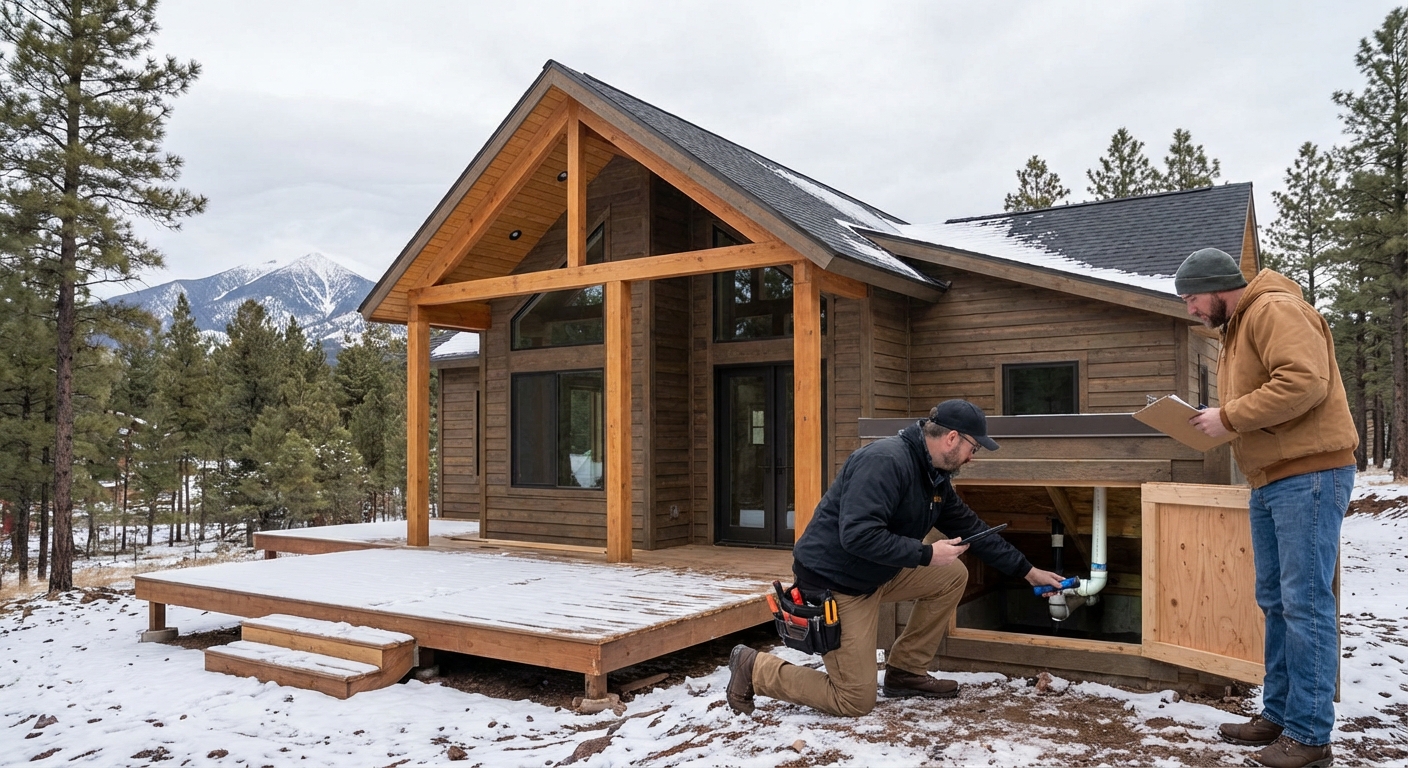
New doesn't mean flawless. It means untested. And if you don't catch the problems before closing, you own them. Every nail that missed the stud. Every pipe that wasn't sealed right. Every wire that got crossed in the rush to finish on time. The builder's warranty won't cover everything, and even when it does, good luck getting them back on site once they've moved to the next project.
Code Compliance Isn't the Same as Quality
Municipal inspectors show up at specific stages—foundation, framing, electrical, final walkthrough. Their job is to verify that the home meets minimum building standards. That's it. They're not looking for craftsmanship. They're not testing whether your HVAC system was sized correctly or whether the grading around your foundation will funnel water toward your basement in five years.
A private inspector works for you. They're not on a schedule. They're not checking off code requirements and moving on. They're looking at how things were actually built—not just whether they technically passed. And in a market where builders are cranking out homes as fast as permits allow, that difference matters more than most buyers realize.
What Gets Missed in the Rush
New construction defects aren't rare. They're predictable. When crews are under pressure to hit deadlines, mistakes happen. Some are minor. Some aren't. And most won't show up until you've been living there long enough that the builder's long gone.
Here's what inspectors routinely find in brand-new homes:
- Foundation cracks or improper drainage that wasn't caught during the pour
- Framing errors that compromise structural integrity or future renovations
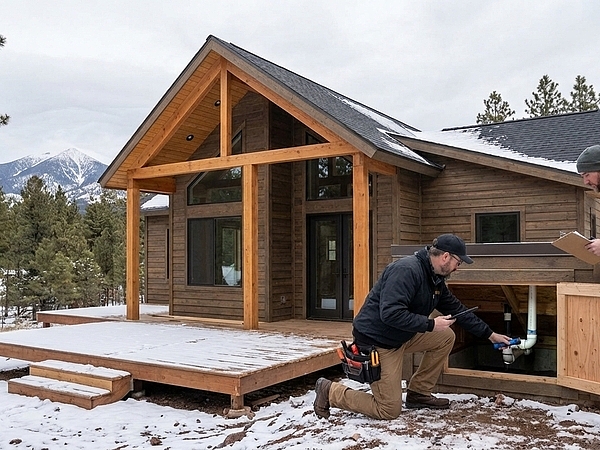
- Plumbing leaks hidden behind walls or under slabs
- Electrical panels with incorrect wiring or insufficient capacity
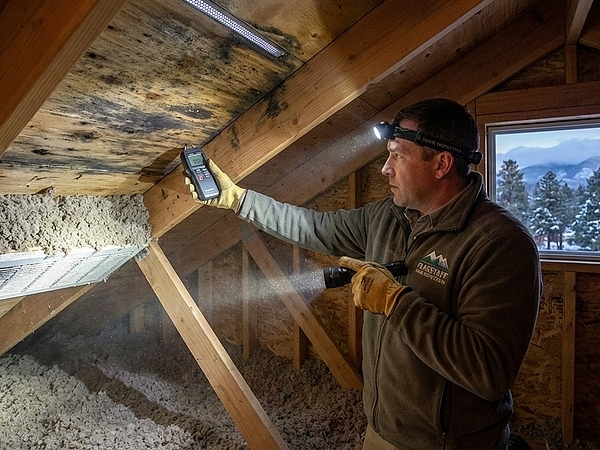
- HVAC systems installed without proper airflow or duct sealing
These aren't cosmetic issues. They're the kind of problems that cost thousands to fix once drywall is up and finishes are in place. Catching them early means the builder handles it. Missing them means you do.
Timing Your Inspections Right
One inspection isn't enough. New construction needs multiple checkpoints, and each one serves a different purpose. Skip any of them, and you're leaving gaps in your coverage.
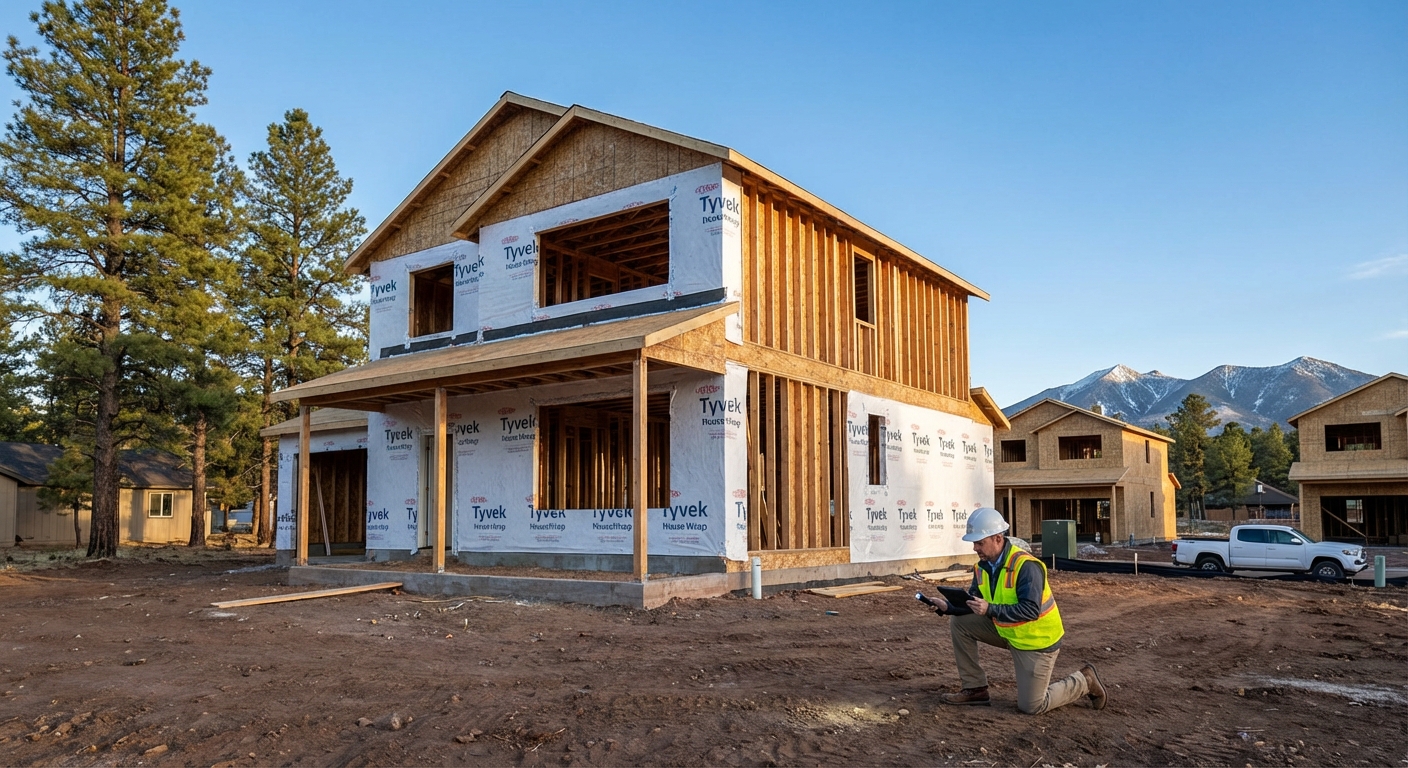
- Pre-drywall inspection happens while framing, plumbing, and electrical are still exposed—this is your only chance to see what's behind the walls
- Final walkthrough inspection covers everything once construction is complete, from roof to foundation
- Eleven-month warranty inspection catches issues that develop during your first year, before the builder's obligation expires
That pre-drywall inspection is non-negotiable. Once the walls are closed, you're flying blind. And builders know it. If they push back on letting an inspector in before drywall goes up, that's a red flag worth paying attention to.
The Warranty Isn't a Safety Net
Builder warranties sound reassuring until you actually need to use one. Most cover structural defects for ten years, but the fine print is loaded with exclusions. And even when something is covered, getting the builder to come back and fix it can take months of phone calls and emails.
Here's what warranties typically don't cover:
- Cosmetic defects like uneven paint or minor drywall cracks
- Issues caused by "normal wear and tear," which is defined however the builder wants
- Problems that result from improper maintenance, even if you didn't know maintenance was required
- Defects you didn't report within a specific timeframe, which varies by builder
An inspection gives you documentation. If something goes wrong later, you have proof of when it started and whether it was present at closing. That's leverage. Without it, you're just another homeowner with a complaint.
Flagstaff's Climate Adds Another Layer
Building in Flagstaff isn't the same as building in Phoenix. The elevation, the freeze-thaw cycles, the snow load—all of it demands specific construction techniques. And not every builder gets it right, especially if they're used to working in warmer climates.
Inspectors familiar with Flagstaff know what to look for:
- Insulation gaps that will cost you a fortune in heating bills
- Roof pitch and materials that can't handle heavy snow
- Foundation work that doesn't account for frost heave
- Drainage systems that fail when snowmelt overwhelms them in spring
- HVAC sizing that's wrong for high-altitude conditions
A generic inspection checklist won't catch these. You need someone who understands how homes homes perform in this specific environment. Otherwise, you're learning expensive lessons the hard way.
Finding an Inspector Who Actually Knows New Construction
Not every home inspector is qualified to evaluate new construction. Some focus on older homes. Others lack the technical background to spot framing errors or mechanical issues. You need someone who's seen enough new builds to know where corners get cut and what problems show up later.
Look for inspectors who are licensed, insured, and willing to provide references. Ask how many new construction inspections they've done in Flagstaff specifically. Check whether they use thermal imaging or other tools that go beyond a visual walkthrough. And make sure they'll give you a detailed report with photos, not just a checklist.
Your Leverage Disappears After Closing
Before you close, the builder wants your signature. After you close, they want you to go away. That shift in leverage is real, and it happens the moment you take ownership. Any defects you find after closing become your problem to chase down, document, and fight over.
An inspection before closing gives you negotiating power. If the inspector finds issues, you can demand repairs before you hand over the money. Or you can walk away. Once you've closed, those options are gone. You're stuck with whatever you bought, and the builder's motivation to help you drops to zero.
The Cost of Skipping This Step
A thorough inspection costs a few hundred dollars. Fixing a foundation issue or replumbing a bathroom costs thousands. The math isn't complicated. Yet plenty of buyers skip inspections on new construction because they assume the risk is low. It's not. It's just hidden better.
We've seen buyers in Flagstaff discover major problems months after moving in—problems that were present at closing but went unnoticed. By then, the builder's moved on. The warranty claim gets denied. And the homeowner is left holding the bill. That's not bad luck. That's a predictable outcome when you skip due diligence.
Don't Confuse New with Risk-Free
New construction in Flagstaff offers plenty of advantages. Modern layouts, energy efficiency, no deferred maintenance. But it's not a free pass. Builders are human. Subcontractors make mistakes. And municipal inspections aren't designed to protect your interests—they're designed to enforce minimum standards.
If you're serious about protecting your investment, hire an inspector who works for you. Get them in early, get them in often, and don't close until you know exactly what you're buying. The builder's timeline isn't your problem. Your financial security is.
Let's Make Sure Your New Home Is Truly Move-In Ready
We all want the excitement of a new home to last, not be overshadowed by hidden issues that could have been caught early. Let’s work together to make sure your Flagstaff home is built right from the start. If you’re ready for peace of mind, call us at 928-600-7761 or Schedule An Inspection today and let’s protect your investment before you sign on the dotted line.
‹ Back
Recent Posts
-
How Long Does a Full Home Inspection in Flagstaff Take?
February 2, 2026
-
Is a Termite Inspection Included in a Flagstaff Home Inspection?
January 19, 2026
-

Why Should I get My Tile & Grout Professionally Cleaned?
January 15, 2026
-
-
Do New Construction Homes in Flagstaff Still Need Inspections?
December 22, 2025