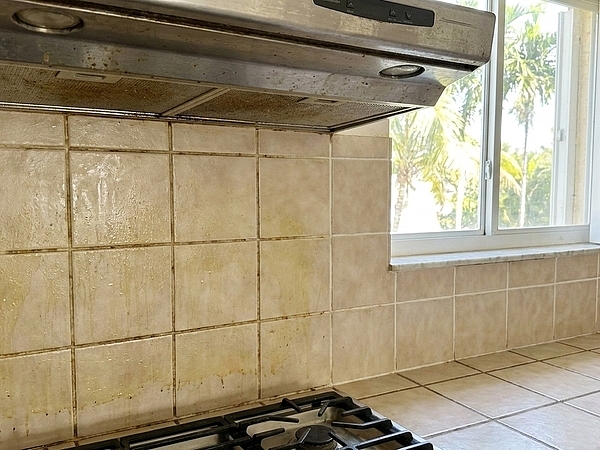
Is Your Shower Tile in Broward County Building Up Soap Scum?
Most homeowners see soap scum as a cosmetic problem. A little film here, some cloudy residue there. But what's happening underneath goes deeper than you think. That chalky layer isn't just sitting on your tile—it's embedding into grout lines, trapping moisture, and creating the perfect environment for mold. If you're in Broward County, the water you're showering with is making it worse.
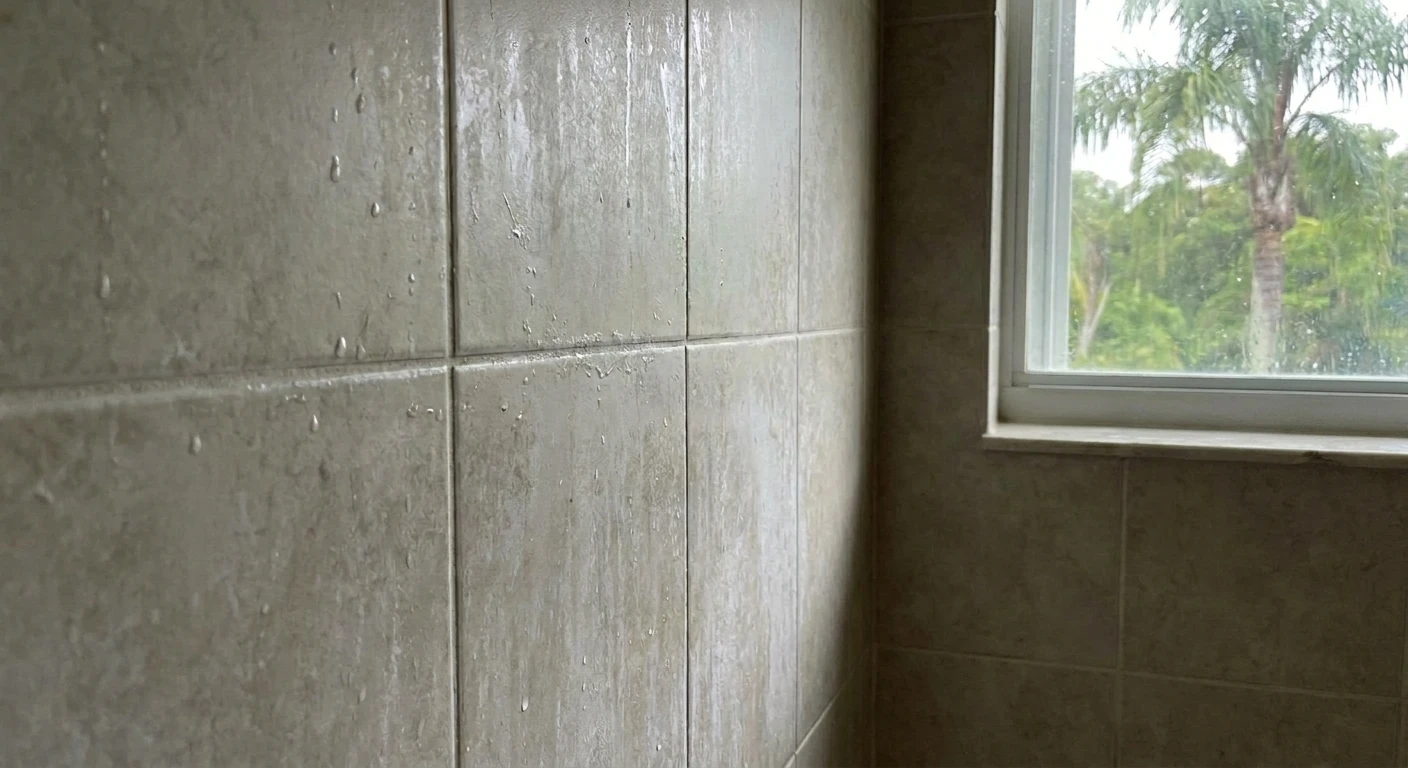
Hard water doesn't discriminate. Every rinse leaves minerals behind. Every soap bar adds another layer. And if you're not staying ahead of it, you're not just fighting grime—you're fighting chemistry. The buildup you see today becomes the damage you pay for tomorrow. We're breaking down what's really going on and how to stop it before it costs you.
The Minerals in Your Water Are Working Against You
Broward County water carries calcium and magnesium in concentrations that vary by neighborhood. When those minerals collide with soap, they form an insoluble compound that clings to tile, glass, and grout. It's not dirt. It's a chemical reaction happening every single time you shower.
The more you lather, the more residue gets left behind. And because the water here runs harder than in many other regions, the scum builds faster. You're not imagining it—your tiles are getting coated whether you see it or not.
Humidity Turns Residue Into a Breeding Ground
Florida bathrooms don't dry out the way they do in drier climates. That constant moisture means soap scum doesn't just sit on the surface—it soaks in. And once it's embedded, it holds water in the grout, inviting mold and mildew to take root.
The longer the bathroom stays humid, the worse the cycle gets. Ventilation isn't optional. It's the difference between a surface you can wipe clean and one that requires scrubbing, chemicals, and eventually replacement. Understanding humidity damage to tile and grout is crucial for South Florida homeowners.
What Happens When You Let It Sit
Ignoring soap scum doesn't just make your shower look bad. It starts to degrade the materials themselves. Grout becomes porous and discolored. Tile surfaces lose their finish. And once that damage sets in, cleaning products won't bring it back.
Here's what we see happen when buildup goes unchecked:
- Grout lines darken and weaken, allowing water to seep behind the tile
- Tile glaze erodes, making surfaces rougher and harder to clean
- Mold grows beneath the scum layer, often unnoticed until it's widespread
- Fixtures and glass develop permanent etching that can't be buffed out
- Odors develop from trapped bacteria and mildew in porous surfaces
Prevention Beats Scrubbing Every Time
You can't eliminate soap scum entirely, but you can stop it from taking over. The key is reducing what sticks in the first place and removing residue before it hardens. Small habits make a massive difference when they're consistent.
Here's what actually works:
- Switch to liquid body wash instead of bar soap—it leaves less residue
- Rinse tiles with hot water immediately after every shower to flush away soap
- Keep a squeegee in the shower and run it over walls and glass each time
- Run the exhaust fan during and for at least 20 minutes after showering
- Install a water softener if your home's hardness is above 7 grains per gallon
Removing What's Already There Without Damaging the Surface
If the scum has already set in, you need more than a sponge and some dish soap. The goal is to dissolve the mineral bonds without scratching tile or stripping grout. Acidic solutions work best, but they need to be used correctly.
White vinegar is our go-to for light to moderate buildup. Spray it on, let it dwell for fifteen minutes, then scrub with a non-abrasive pad. For tougher spots, a paste made from baking soda and a few drops of water gives you gentle abrasion without the scratches. Commercial cleaners designed for soap scum can be effective, but read the label—some are too harsh for natural stone or certain grout types.
When DIY Methods Stop Working
There's a point where home remedies can't touch what's built up. If the grout is stained, the tile feels rough, or you're smelling mildew no matter how much you clean, the problem has moved past the surface. That's when we recommend calling in a professional tile grout cleaning service.
Professional cleaners bring tools you don't have:
- High-pressure steam that breaks down buildup without chemicals
- Rotary scrubbers that clean grout lines without damaging tile
- Sealers that protect grout and tile from future moisture and residue
- Experience identifying whether the tile needs cleaning or replacement
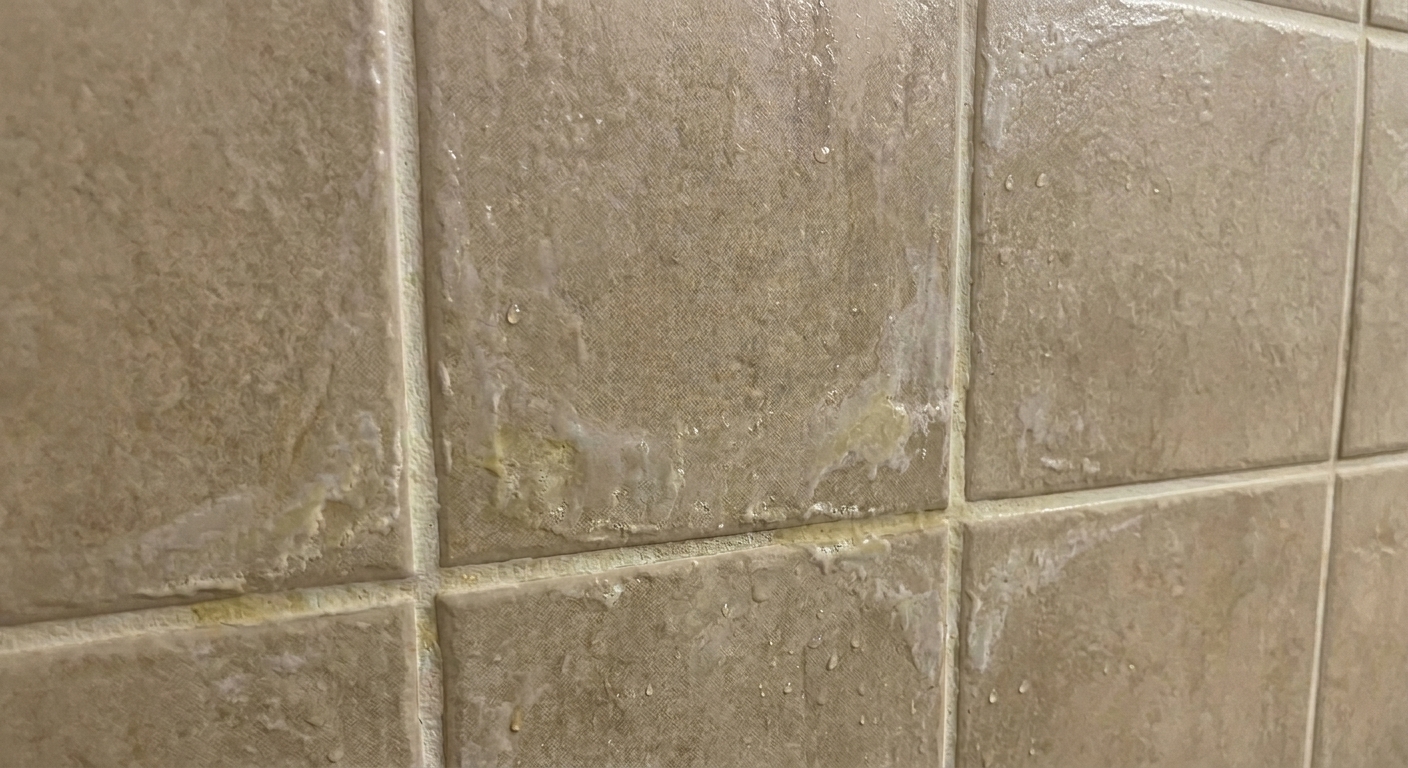
Hard Water Needs a Long-Term Answer
If you're constantly battling scum no matter how often you clean, the water itself is the issue. A whole-home water softener removes the minerals that cause buildup, making every shower cleaner by default. It's an upfront cost, but it pays off in less cleaning, fewer products, and longer-lasting tile.
Even a showerhead filter can help if you're not ready for a full system. It won't eliminate hardness completely, but it reduces mineral concentration enough to slow down scum formation. Pair that with a squeegee routine, and you're looking at a manageable situation instead of a monthly deep-clean.
Grout Is the Weak Link
Tile might survive soap scum for years. Grout won't. It's porous, so it absorbs everything—soap, minerals, water, mold. Once it's compromised, it stops doing its job. Water gets behind the tile. Mold spreads. And eventually, you're looking at a re-grout or a full tile replacement.
Sealing your grout every year or two creates a barrier that keeps moisture and scum out. It's a small step that adds years to your shower's lifespan. If the grout is already discolored or crumbling, get it resealed or replaced before water damage spreads to the wall structure.
Why Most Cleaning Products Don't Cut It
Walk down the cleaning aisle and you'll find a dozen products claiming to eliminate soap scum. Most of them just mask the problem. They'll make your tiles look shinier for a day or two, but they don't dissolve the mineral layer—they coat it. And that coating traps more grime over time.
What you need are products that actually break down the chemical bond:
- Acidic cleaners like those with citric acid or phosphoric acid
- Enzyme-based formulas that target soap and organic residue
- Non-toxic options like vinegar or lemon juice for regular maintenance
- Abrasive powders used sparingly on tough spots, avoiding grout lines
Your Shower Deserves Better Than Band-Aids
Soap scum isn't just an eyesore. It's a slow-moving problem that compounds with every shower. The longer you wait, the harder it gets to reverse. But the fix isn't complicated—it's consistent. A few minutes after each shower, the right products, and an honest look at your water quality will keep your tile looking the way it did on install day.
We've helped hundreds of Broward County homeowners get ahead of buildup before it turns into a renovation project. Whether you need a professional tile grout cleaning, grout sealing, or just straight answers on what's happening in your shower, we're here to help. Don't let soap scum dictate your bathroom's future. Visit our residential services page or get a free quote today.
Let’s Restore Your Shower to Its Best
We know how frustrating it is to keep fighting stubborn soap scum and hard water stains in your Broward County home. Let’s put an end to the cycle and bring back the shine your bathroom deserves. If you’re ready for a real solution, give us a call at 561-376-7362 or get a free quote—we’re here to help you enjoy a cleaner, healthier shower for good.
‹ Back
Recent Posts
-
Is Your Natural Stone in Broward County Losing Its Shine?
September 8, 2026
-
-
Are Your Tile Floors in Broward County Harder to Keep Clean?
August 11, 2026
-
-